Обрезка объектов с помощью Ultralytics YOLO26
Что такое обрезка объектов?#
Вырезание объектов с помощью Ultralytics YOLO26 позволяет выделять и извлекать конкретные обнаруженные объекты из изображения или видео. YOLO26 находит каждый объект с помощью ограничительной рамки, а инструмент обрезки сохраняет эту область как отдельное изображение для дальнейшего анализа или обработки.
Смотри: Обрезка объектов с помощью Ultralytics YOLO
Преимущества обрезки объектов#
- Прицельный анализ: YOLO26 позволяет вырезать нужные объекты, чтобы подробно изучать или обрабатывать отдельные элементы сцены.
- Уменьшение объёма данных: Извлекая только нужные объекты, ты уменьшаешь размер данных и повышаешь эффективность хранения, передачи и последующих вычислений.
- Повышенная точность: Высокая точность обнаружения объектов в YOLO26 обеспечивает точную обрезку, сохраняя визуальные детали, необходимые для дальнейшего анализа.
Иллюстрации#
| Багаж в аэропорту |
|---|
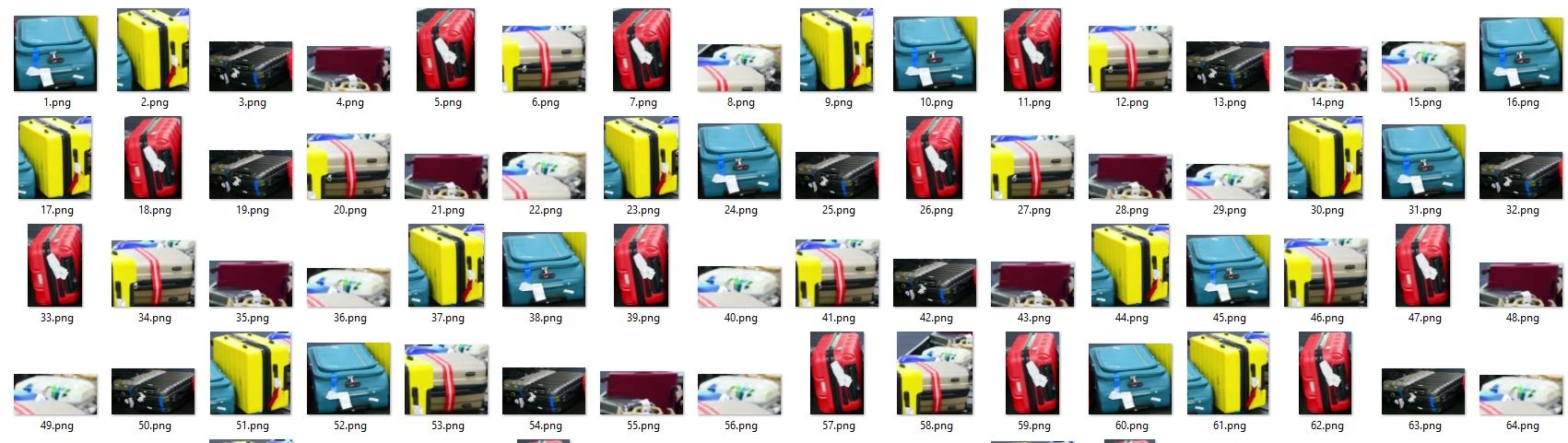 |
| Обрезка чемоданов на конвейерной ленте в аэропорту с помощью Ultralytics YOLO26 |
Обрезай объекты с помощью YOLO26#
Передай видео в решение ObjectCropper: оно обнаруживает объекты в каждом кадре и сохраняет каждое обнаружение в виде отдельного изображения. Ограничь обрезку определёнными classes, увеличь conf, чтобы оставить только уверенные обнаружения, и укажи crop_dir, чтобы выбрать папку для сохранения обрезанных изображений.
# Crop the objects
yolo solutions crop

# Pass a source video
yolo solutions crop source="path/to/video.mp4"

# Crop specific classes
yolo solutions crop classes="[0, 2]"
Аргументы ObjectCropper#
Вот таблица с аргументами ObjectCropper:
| Аргумент | Тип | По умолчанию | Описание |
|---|---|---|---|
model | str | None | Путь к файлу модели Ultralytics YOLO. |
crop_dir | str | 'cropped-detections' | Имя каталога для сохранения обрезанных обнаруженных объектов. |
verbose | bool | True | Включает журнал решения для каждого кадра с указанием формы входных данных, количества объектов по классам и скорости обработки. Сам вызов отслеживания всегда выполняется без вывода сообщений. |
ObjectCropper запускает predict, а не track, поэтому поддерживает следующие параметры инференса, кроме tracker:
| Аргумент | Тип | По умолчанию | Описание |
|---|---|---|---|
tracker | str | 'tracktrack.yaml' | Задаёт алгоритм отслеживания. Встроенные варианты: botsort.yaml, bytetrack.yaml, ocsort.yaml, deepocsort.yaml, fasttrack.yaml, tracktrack.yaml. |
conf | float | 0.25 | Задаёт порог уверенности для обнаружений: при более низких значениях можно отслеживать больше объектов, но возрастает вероятность ложноположительных срабатываний. |
iou | float | 0.5 | Задаёт порог пересечения над объединением (IoU) для фильтрации перекрывающихся обнаружений. |
classes | list | None | Фильтрует результаты по индексу класса. Например, classes=[0, 2, 3] отслеживает только указанные классы. |
device | str | None | Задаёт устройство для инференса (например, cpu, cuda:0 или 0). Позволяет выбрать CPU, определённый GPU или другое вычислительное устройство для выполнения модели. |
imgsz | int or tuple | 640 | Целевой размер изображения для инференса: целое число для квадратного изображения или пара (height, width). Размеры корректируются с учётом шага модели. |
max_det | int | 300 | Максимальное количество обнаружений, сохраняемых в каждом кадре перед отслеживанием; ограничивает число объектов, обрабатываемых решением в насыщенных сценах. |
quantize | int or str | None | Точность инференса: 16 (FP16) или 32/unset (FP32) для моделей PyTorch и TorchScript не на CPU; для других форматов точность определяется артефактом модели и средой выполнения. Заменяет устаревший аргумент half. |
Часто задаваемые вопросы#
Обрезка объектов с помощью Ultralytics YOLO26 позволяет выделять и извлекать конкретные объекты из изображения или видео на основе возможностей обнаружения YOLO26. Этот процесс помогает сосредоточить анализ и уменьшить объём данных: YOLO26 точно находит объекты, а затем обрезает их соответствующим образом.
Ultralytics YOLO26 сочетает точное обнаружение, быстрый инференс и простой API, поэтому для обрезки достаточно нескольких строк кода, а также поддерживается целевой анализ. YOLO26 также экспортируется в такие форматы, как OpenVINO и TensorRT, для развёртывания в реальном времени на различном оборудовании.
Используя Ultralytics YOLO26 для вырезания только нужных объектов на изображениях или видео, ты можешь значительно сократить объём данных и повысить эффективность их хранения и обработки. Используй предварительно обученную модель или обучи модель для обнаружения нужных объектов, а затем вырезай и сохраняй только соответствующие области.
Да, Ultralytics YOLO26 может обрабатывать видеопотоки в реальном времени, динамически обнаруживая и обрезая объекты. Благодаря быстрому инференсу модель подходит для таких приложений реального времени, как видеонаблюдение, анализ спортивных событий и автоматизированные системы контроля.
Ultralytics YOLO26 оптимизирована для работы как на CPU, так и на GPU, но для оптимальной производительности, особенно при инференсе в реальном времени или обработке больших объёмов данных, рекомендуется выделенный GPU (например, NVIDIA RTX или GPU для дата-центров). Для развёртывания на маломощных устройствах рассмотри CoreML для iOS или LiteRT для Android.


Комментарии15
Задай вопрос, поделись результатами или помоги кому-нибудь.
NOSPAA21
Can i use it so as to train a model especially for printed circuit board defect detection to find defects in certain regions of a pcb?Would this be helpful?
RizwanMunawar
@NOSPAA21 Yes, you can train the Ultralytics YOLO11 model on the circuit board defect detection dataset by following the training documentation. Once the model is trained, you can use the object-cropping solution to crop the different defects that the model detects.
AdityaJaiswal99
Can we make the model, so it does not take the same pictures in the frame again?
 Glenn JocherUltralytics
@AdityaJaiswal99 thank you for your question! If you're looking to avoid capturing the same objects multiple times within a frame, you can leverage the Non-Maximum Suppression (NMS) feature of YOLOv8. NMS helps in eliminating redundant bounding boxes by keeping only the highest confidence detections and discarding others that overlap significantly.
Here's a brief example of how you can adjust the
iouthreshold to refine your detections and reduce duplicates:from ultralytics import YOLO # Load the model model = YOLO("yolov8n.pt") # Set the IoU threshold to a lower value to reduce overlapping detections results = model.predict("path/to/your/image_or_video", iou=0.5) # Process the results as needed for result in results: boxes = result.boxes.xyxy.cpu().tolist() clss = result.boxes.cls.cpu().tolist() # Further processing...In this example, setting the
iouparameter to a lower value (e.g., 0.5) helps in reducing the number of overlapping boxes, thus minimizing the chances of capturing the same object multiple times.For a more comprehensive guide on object cropping and additional tips, please visit our Object Cropping Guide.
If you encounter any issues or have further questions, feel free to provide a reproducible example, and ensure you are using the latest version of the packages. This will help us assist you more effectively. 😊
Happy coding!
How can we change the frame height and width to a specific pixel and change FPS?
 Paula DerrengerUltralytics
@AdityaJaiswal99 hi there!
To change the frame height, width, and FPS of a video using OpenCV, you can set these properties directly on the
cv2.VideoCaptureandcv2.VideoWriterobjects. Below is an example of how you can achieve this:import cv2 # Load the video cap = cv2.VideoCapture("path/to/video/file.mp4") assert cap.isOpened(), "Error reading video file" # Set the desired frame width, height, and FPS frame_width = 640 # Set your desired width frame_height = 480 # Set your desired height fps = 30 # Set your desired FPS # Create a VideoWriter object to save the modified video video_writer = cv2.VideoWriter("modified_video.avi", cv2.VideoWriter_fourcc(*"mp4v"), fps, (frame_width, frame_height)) while cap.isOpened(): success, frame = cap.read() if not success: break # Resize the frame to the desired dimensions resized_frame = cv2.resize(frame, (frame_width, frame_height)) # Write the resized frame to the output video video_writer.write(resized_frame) # Display the frame (optional) cv2.imshow("Resized Video", resized_frame) if cv2.waitKey(1) & 0xFF == ord("q"): break # Release resources cap.release() video_writer.release() cv2.destroyAllWindows()This script reads a video, resizes each frame to the specified width and height, and writes the modified frames to a new video file with the desired FPS.
For more detailed information on object cropping using YOLOv8, you can refer to our Object Cropping Guide.
Feel free to reach out if you have any more questions! 😊
1
HsnKmlMt
Hi! How can i specify classed to be cropped like for my case i just want people.
- Glenn JocherUltralytics(изменено)
Hello! To crop only people from your video, filter the detections by class. In COCO-trained models 'person' is class 0, so the simplest way is the
classesargument ofpredict:import os import cv2 from ultralytics import YOLO model = YOLO("yolo26n.pt") cap = cv2.VideoCapture("path/to/video/file.mp4") assert cap.isOpened(), "Error reading video file" crop_dir_name = "ultralytics_crop" os.makedirs(crop_dir_name, exist_ok=True) idx = 0 while cap.isOpened(): success, im0 = cap.read() if not success: break results = model.predict(im0, classes=[0]) # 0 = 'person' in COCO boxes = results[0].boxes.xyxy.cpu().tolist() for box in boxes: idx += 1 crop_obj = im0[int(box[1]) : int(box[3]), int(box[0]) : int(box[2])] cv2.imwrite(os.path.join(crop_dir_name, f"person_{idx}.png"), crop_obj) cap.release() cv2.destroyAllWindows()This will crop and save images only for detected persons. Note that
model.namesis a dictionary mapping class IDs to names, so to look up an ID by name usenext(k for k, v in model.names.items() if v == "person"). Adjust according to your specific classes and needs! 👍 Thank you, I really appreciate it!
- Glenn JocherUltralytics(изменено)
Hello! We're really glad you found the materials helpful! If you ever need to crop specific classes, such as 'people', filter the detections by class ID. Here's a quick example:
import cv2

from ultralytics import YOLO

model = YOLO("yolo26n.pt")  # Load your model
person_class_id = next(k for k, v in model.names.items() if v == "person")  # model.names maps class ID -> name

cap = cv2.VideoCapture("path/to/video.mp4")
assert cap.isOpened(), "Error reading video file"

while cap.isOpened():
    ret, frame = cap.read()
    if not ret:
        break
    results = model.predict(frame, classes=[person_class_id])  # only 'person' detections
    boxes = results[0].boxes.xyxy.cpu().tolist()

    for idx, box in enumerate(boxes):
        x1, y1, x2, y2 = map(int, box[:4])
        crop_img = frame[y1:y2, x1:x2]
        cv2.imwrite(f"cropped_person_{idx}.jpg", crop_img)
Feel free to replace 'person' with any class you're interested in, and make sure the class name matches what's defined in your model's class names. Let us know if you need further assistance! 🚀
1 umairrkhn
Hey Glenn, I am getting this error using your implementation:
person_class_id = model.names.index('person') # Ensure 'person' is in the model's class names ^^^^^^^^^^^^^^^^^ AttributeError: 'dict' object has no attribute 'index'
- Glenn JocherUltralytics(изменено)
Hey there!
It looks like you're trying to use the
.index()method on a dictionary, which isn't supported.model.namesis a dictionary mapping class IDs to class names, not a list. Here's how to find the ID for a class name:model = YOLO("yolo26n.pt") person_class_id = next(k for k, v in model.names.items() if v == "person")For COCO-trained models this is simply
0. If the issue persists, could you share more of your code context? That might help diagnose the issue better. 😊 - Glenn JocherUltralytics(изменено)
Hey there! It looks like you're trying to use the
index()method on a dictionary, which isn't supported.model.namesis a dictionary mapping class IDs to class names, so you need to look up the ID by name:person_class_id = next(k for k, v in model.names.items() if v == "person")Make sure that 'person' is indeed the name of the class you're interested in. Let me know if this helps or if you need further assistance! 😊
zakirh
To those who are facing issue on finding person class:
person_class_id = None for class_id, class_name in model.names.items(): if class_name =='person': person_class_id = class_id break
if person_class_id is None: print("The 'person' class was not found.") else: print(f"'person' class ID: {person_class_id}")
- Glenn JocherUltralytics(изменено)
@zakirh thank you for sharing this helpful approach to finding the class ID for 'person.' For others who might encounter similar issues, note that
model.namesis a dictionary mapping class IDs to class names, so finding an ID by name requires searching the values. If any further clarification is needed, feel free to ask!1