Dog-Pose Veri Kümesi
Giriş#
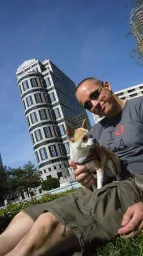
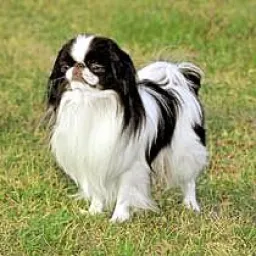
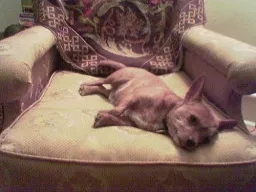
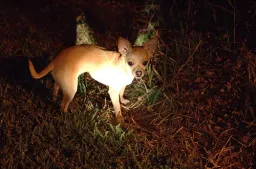
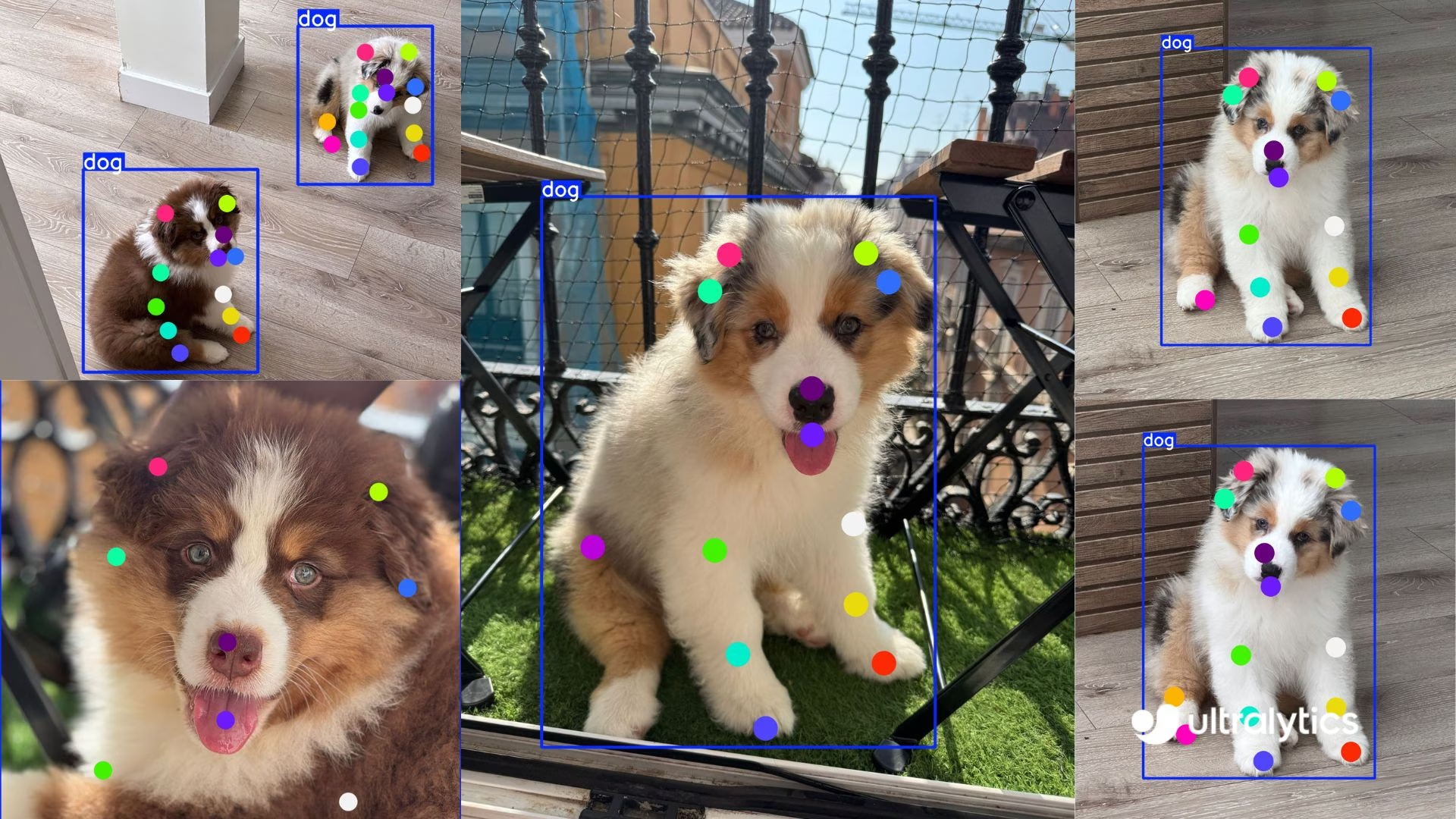
Ultralytics Dog-Pose veri kümesi, köpek anahtar noktalarını tahmin etmek üzere düzenlenmiş bir poz tahmini veri kümesidir ve 6.773 eğitim, 1.703 doğrulama görüntüsü içerir.
İzle: Stanford Köpek Poz Tahmini Veri Kümesinde Ultralytics YOLO Modeli Nasıl Eğitilir | Adım Adım Eğitim
Açıklama eklenmiş her görüntü, her biri 3 boyutlu (x, y, görünürlük) 24 anahtar nokta içererek köpek poz tahmini araştırmalarını ve uygulamalarını destekler.
Belirli bir köpek ırkı veya tamamen farklı bir hayvan için Ultralytics Platform, altyapıyı yönetmene gerek kalmadan kendi verilerin üzerinde özel bir anahtar nokta modeli yükleme, etiketleme ve eğitme işlemlerini gerçekleştirir.
Veri Kümesi Yapısı#
-
Toplam görüntü: 8.476 (6.773 eğitim / 1.703 doğrulama); bunlara karşılık gelen YOLO biçiminde etiket dosyaları bulunur.
-
Anahtar noktalar: Her köpek için
(x, y, visibility)üçlülerinden oluşan 24 nokta. -
İndirme boyutu: ~337 MB.
-
Dizin yapısı:
datasets/dog-pose/
├── images/{train,val}
└── labels/{train,val}
Veri Kümesi YAML Dosyası#
Veri kümesi yapılandırmasını tanımlamak için bir YAML dosyası kullanılır. Bu dosya yolları, anahtar nokta ayrıntılarını ve diğer ilgili bilgileri içerir. Dog-Pose veri kümesinde dog-pose.yaml dosyası https://github.com/ultralytics/ultralytics/blob/main/ultralytics/cfg/datasets/dog-pose.yaml konumunda bulunur.
# Ultralytics 🚀 AGPL-3.0 License - https://ultralytics.com/license

# Dogs dataset http://vision.stanford.edu/aditya86/ImageNetDogs/ by Stanford
# Documentation: https://docs.ultralytics.com/datasets/pose/dog-pose
# Example usage: yolo train data=dog-pose.yaml
# parent
# ├── ultralytics
# └── datasets
#     └── dog-pose ← downloads here (337 MB)

# Train/val/test sets as 1) dir: path/to/imgs, 2) file: path/to/imgs.txt, or 3) list: [path/to/imgs1, path/to/imgs2, ..]
path: dog-pose # dataset root dir
train: images/train # train images (relative to 'path') 6773 images
val: images/val # val images (relative to 'path') 1703 images

# Keypoints
kpt_shape: [24, 3] # number of keypoints, number of dims (2 for x,y or 3 for x,y,visible)

# Classes
names:
  0: dog

# Keypoint names per class
kpt_names:
  0:
    - front_left_paw
    - front_left_knee
    - front_left_elbow
    - rear_left_paw
    - rear_left_knee
    - rear_left_elbow
    - front_right_paw
    - front_right_knee
    - front_right_elbow
    - rear_right_paw
    - rear_right_knee
    - rear_right_elbow
    - tail_start
    - tail_end
    - left_ear_base
    - right_ear_base
    - nose
    - chin
    - left_ear_tip
    - right_ear_tip
    - left_eye
    - right_eye
    - withers
    - throat

# Download script/URL (optional)
download: https://github.com/ultralytics/assets/releases/download/v0.0.0/dog-pose.zipKullanım#
Dog-Pose veri kümesinde 640 görüntü boyutuyla 100 epoch boyunca bir YOLO26n-pose modeli eğitmek için aşağıdaki kod parçacıklarını kullanabilirsin.
from ultralytics import YOLO

# Bir model yükle
model = YOLO("yolo26n-pose.pt")  # Önceden eğitilmiş bir model yükle (eğitim için önerilir)

# Modeli eğit
results = model.train(data="dog-pose.yaml", epochs=100, imgsz=640)
Örnek Görüntüler ve Ek Açıklamalar#
Aşağıda, Dog-Pose veri kümesindeki bazı görüntüler ve bunlara karşılık gelen etiketler yer alıyor:
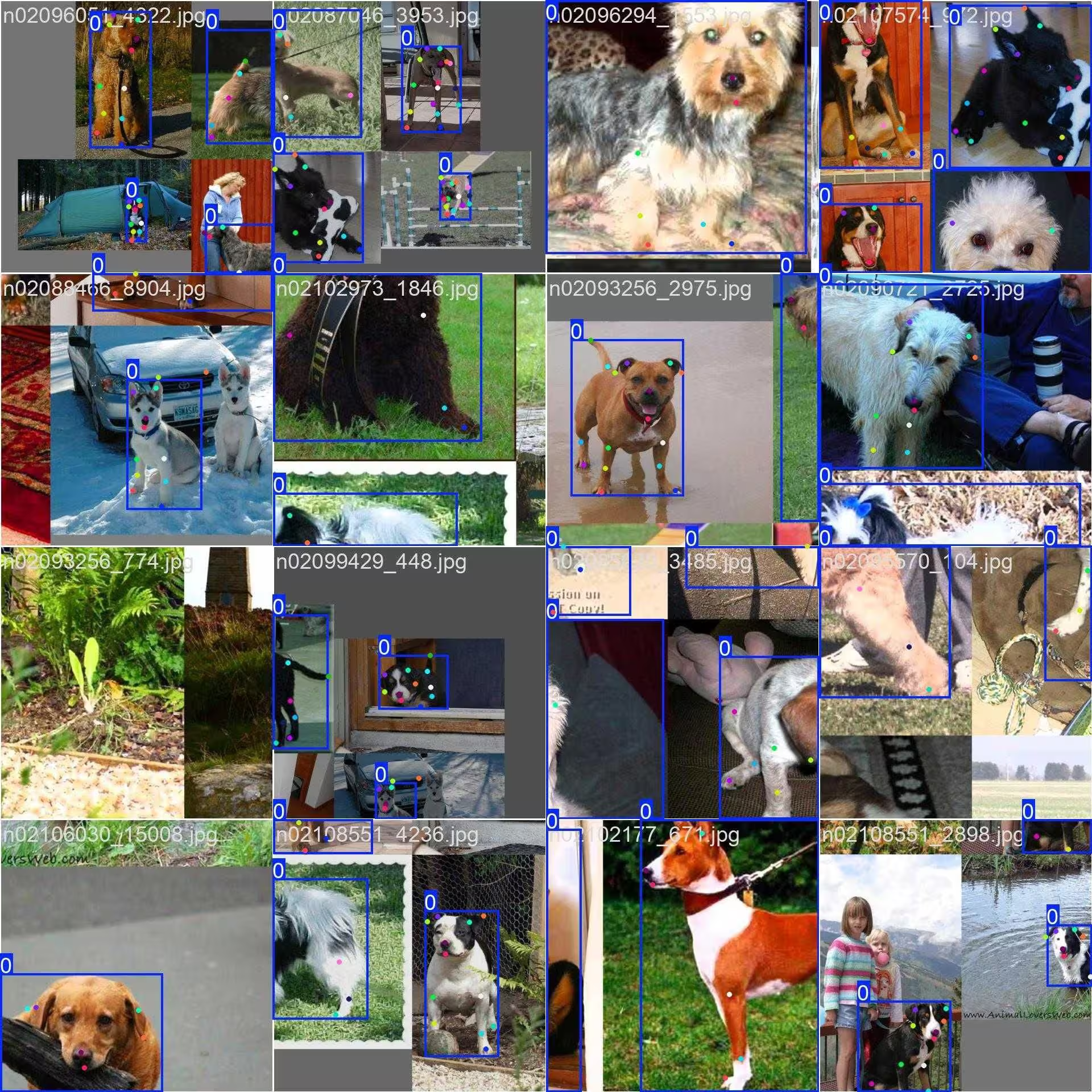
- Mozaik Görüntü: Bu görüntü, mozaiklenmiş veri kümesi görüntülerinden oluşan bir eğitim grubunu gösterir. Mozaikleme, her eğitim grubundaki nesne ve sahne çeşitliliğini artırmak için eğitim sırasında birden fazla görüntüyü tek bir görüntüde birleştiren bir tekniktir. Bu, modelin farklı nesne boyutlarına, en-boy oranlarına ve bağlamlara genelleme yeteneğini geliştirir.
Bu örnek, Dog-Pose veri kümesindeki görüntülerin çeşitliliğini ve karmaşıklığını, ayrıca eğitim sürecinde mozaikleme kullanmanın faydalarını gösteriyor.
Atıflar ve Teşekkürler#
Dog-Pose veri kümesini araştırma veya geliştirme çalışmalarında kullanıyorsan lütfen aşağıdaki makaleye atıfta bulun:
@inproceedings{khosla2011fgvc,
  title={Novel dataset for Fine-Grained Image Categorization},
  author={Aditya Khosla and Nityananda Jayadevaprakash and Bangpeng Yao and Li Fei-Fei},
  booktitle={First Workshop on Fine-Grained Visual Categorization (FGVC), IEEE Conference on Computer Vision and Pattern Recognition (CVPR)},
  year={2011}
}
@inproceedings{deng2009imagenet,
  title={ImageNet: A Large-Scale Hierarchical Image Database},
  author={Jia Deng and Wei Dong and Richard Socher and Li-Jia Li and Kai Li and Li Fei-Fei},
  booktitle={IEEE Computer Vision and Pattern Recognition (CVPR)},
  year={2009}
}
Bilgisayarlı görü topluluğu için bu değerli kaynağı oluşturduğu ve sürdürdüğü için Stanford ekibine teşekkür ederiz. Dog-Pose veri kümesi ve yaratıcıları hakkında daha fazla bilgi için Stanford Dogs veri kümesi web sitesini ziyaret et.
Sık Sorulan Sorular#
Dog-Pose veri kümesi, köpek poz tahmini için 24 anahtar noktayla açıklama eklenmiş 6.773 eğitim ve 1.703 doğrulama görüntüsü içerir. Hayvan davranışı analizi, evcil hayvan takibi ve veterinerlik çalışmaları gibi uygulamaları destekleyerek Ultralytics YOLO26 ile modelleri eğitmek ve doğrulamak için tasarlanmıştır. Ayrıntılı açıklamaları, köpekler için doğru poz tahmini modelleri geliştirmeye çok uygundur.
yolo26n-pose.ptdosyasını yükle vemodel.train(data="dog-pose.yaml", epochs=100, imgsz=640)işlevini çağır — Python ve CLI kod parçacıklarının tamamı için yukarıdaki Eğitim Örneğine, bağımsız değişkenlerin kapsamlı listesi için modelin Eğitim sayfasına bak.Çok çeşitli köpek ırklarını ve pozlarını kapsayan toplam 8.476 görüntü (6.773 eğitim / 1.703 doğrulama) ve her anotasyonda 3 boyutta (x, y, görünürlük) 24 anahtar nokta içeren Dog-Pose veri kümesi, evcil hayvan takibi ve davranış analizi gibi uygulamalar için gereken gerçek dünya senaryosu kapsamını modellere sunar.
Mozaikleme, birden fazla Dog-Pose görüntüsünü tek bir eğitim görüntüsünde birleştirerek modelin her adımda gördüğü köpek pozlarının, boyutlarının ve arka planların çeşitliliğini artırır; bu da aşırı öğrenmeyi azaltırken yeni bağlamlara ve ölçeklere genellemeyi iyileştirir. Örnek görüntüler için Örnek Görüntüler ve Etiketler bölümüne bak.
Dog-Pose veri kümesi YAML dosyasını https://github.com/ultralytics/ultralytics/blob/main/ultralytics/cfg/datasets/dog-pose.yaml konumunda bulabilirsin. Bu dosya; yollar, sınıflar, anahtar nokta ayrıntıları ve diğer ilgili bilgiler dahil olmak üzere veri kümesi yapılandırmasını tanımlar. YAML dosyası, her biri 3 boyuta sahip 24 anahtar nokta belirtir ve bu nedenle ayrıntılı poz tahmini görevlerine uygundur.
Bu dosyayı YOLO26 eğitim betikleriyle kullanmak için Kullanım bölümünde gösterildiği gibi eğitim komutunda dosyaya başvur. Veri kümesi ilk kullanımda otomatik olarak indirilir ve kurulumu kolaylaştırır.
Anahtar nokta modelleri hakkında daha fazla bilgi için Poz Tahmini görev belgelerine bak.


Yorumlar12
Bir soru sor, sonuçlarını paylaş veya başka birine yardım et.
legend-zhen
Hello, although YOLOv11-pose can perform both object detection and pose estimation tasks simultaneously, there seems to be little correlation between the performance of pose estimation and object detection. What could be the reason for this? As I understand, YOLOv11-pose was specifically designed for human pose estimation, so can it also be perfectly adapted for animal pose estimation, as it is for humans? Are any special settings required when performing animal pose estimation?
 Glenn JocherUltralytics(düzenlendi)
@legend-zhen YOLO26 and YOLO11 pose models are indeed versatile and can be adapted for animal pose estimation, such as with the Dog-Pose dataset. While the architecture is optimized for human pose estimation, adapting it to animals typically requires a dataset with accurate annotations (e.g., 24 keypoints for dogs in Dog-Pose). No special settings are mandatory beyond ensuring the dataset YAML file is properly configured. For details on Dog-Pose, check here.
Peakednesss
I can just find 20 points, 4 for ears, 1 for nose, 1 for mouth, 2 for tail, and 12 for legs, where are the other four points?
- Glenn JocherUltralytics(düzenlendi)
@Peakednesss the Dog-Pose dataset has 24 keypoints. Beyond the 20 you found (ears, nose, chin, tail and legs), the other four are the left eye, right eye, withers and throat. The full list is in
kpt_namesin the dataset YAML: https://github.com/ultralytics/ultralytics/blob/main/ultralytics/cfg/datasets/dog-pose.yaml. thank you very much
goodbetterbest1
do you know where are the other 4 points’ definitions? I can’t find any useful information in the yaml document. thx
chengziNaomi
When we annotate the key point data set in a picture, if the two boxes have overlapping parts, how to annotate the key points in the overlapping boxes?
- Glenn JocherUltralytics
@chengziNaomi when annotating overlapping bounding boxes in a keypoint dataset, ensure that each object's keypoints are labeled independently, even if they share overlapping regions. Annotate each keypoint based on its respective object, maintaining clear separation to avoid ambiguity during model training. For guidelines on keypoint annotation, refer to Dog-Pose Dataset Documentation.
If I have multiple objects in a picture, should I frame all the objects at once and then label the key points together, or should I frame an object, label the key points of that object, then frame an object, and then label the key points of that object?
- Glenn JocherUltralytics
@chengziNaomi when annotating a single image with multiple objects, you should annotate each object separately. Frame one object, label its keypoints completely, then move to the next object. This ensures clarity and avoids confusion during model training. Refer to Dog-Pose Dataset Documentation for more annotation insights.
Thank you very much! and how can I draw heatmap for key point detection?
- Glenn JocherUltralytics
You're welcome! To draw a heatmap for keypoint detection, you can preprocess the keypoints into Gaussian blobs on a blank image using libraries like OpenCV or NumPy, then overlay them on the original image. For detailed implementation, check external heatmap solutions or visualization tools as it currently falls outside YOLO's built-in features. Let me know if you have further questions!