Cắt đối tượng bằng Ultralytics YOLO26
Cắt đối tượng là gì?#
Cắt đối tượng bằng Ultralytics YOLO26 là tách riêng và trích xuất các đối tượng được phát hiện cụ thể từ ảnh hoặc video. YOLO26 định vị từng đối tượng bằng hộp giới hạn, sau đó công cụ cắt lưu vùng đó thành một ảnh riêng để phân tích hoặc xử lý thêm.
Xem: Cắt ảnh đối tượng bằng Ultralytics YOLO
Ưu điểm của việc cắt đối tượng#
- Phân tích tập trung: YOLO26 cho phép cắt riêng đối tượng mục tiêu, hỗ trợ kiểm tra hoặc xử lý chuyên sâu từng đối tượng trong một cảnh.
- Giảm dung lượng dữ liệu: Bằng cách chỉ trích xuất các đối tượng liên quan, việc cắt đối tượng giúp giảm kích thước dữ liệu, tăng hiệu quả lưu trữ, truyền tải và các tác vụ tính toán tiếp theo.
- Tăng độ chính xác: Độ chính xác trong phát hiện đối tượng của YOLO26 tạo ra các vùng cắt sát đối tượng, giữ lại chi tiết hình ảnh cần thiết cho quá trình phân tích tiếp theo.
Hình ảnh minh họa#
| Hành lý tại sân bay |
|---|
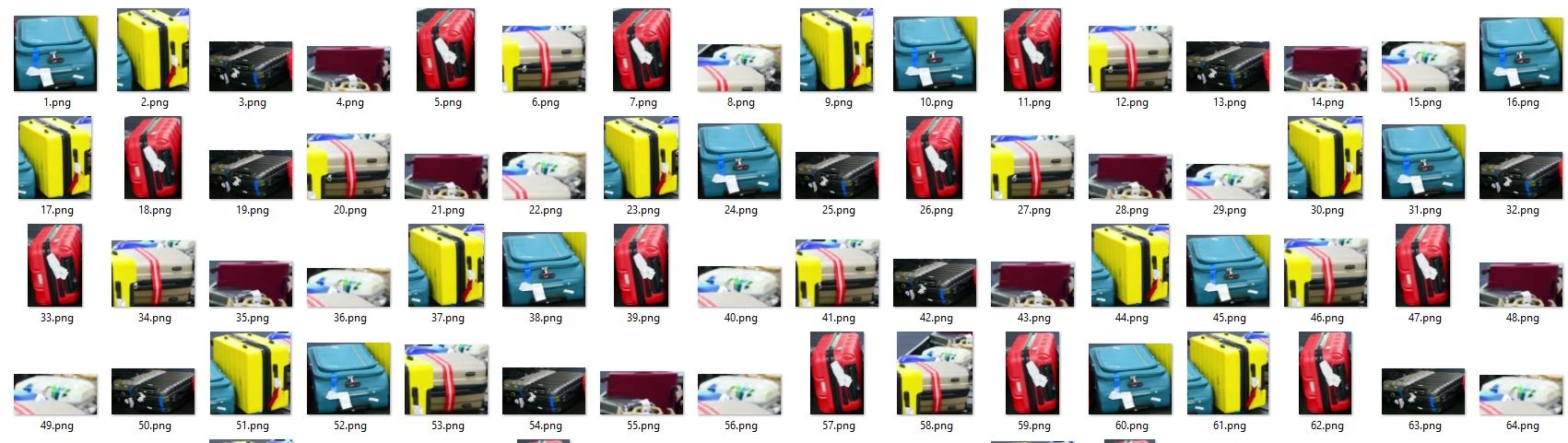 |
| Cắt va-li trên băng chuyền sân bay bằng Ultralytics YOLO26 |
Cắt đối tượng bằng YOLO26#
Truyền video của bạn vào giải pháp ObjectCropper; giải pháp sẽ phát hiện đối tượng trong từng khung hình và lưu mỗi lần phát hiện thành một hình ảnh riêng. Giới hạn việc cắt ở các classes cụ thể, tăng conf để chỉ giữ các lần phát hiện có độ tin cậy cao, và đặt crop_dir để chọn nơi lưu các ảnh đã cắt.
# Crop the objects
yolo solutions crop

# Pass a source video
yolo solutions crop source="path/to/video.mp4"

# Crop specific classes
yolo solutions crop classes="[0, 2]"
Các đối số của ObjectCropper#
Dưới đây là bảng các đối số của ObjectCropper:
| Đối số | Kiểu | Mặc định | Mô tả |
|---|---|---|---|
model | str | None | Đường dẫn đến tệp model Ultralytics YOLO. |
crop_dir | str | 'cropped-detections' | Tên thư mục dùng để lưu các đối tượng phát hiện đã cắt. |
verbose | bool | True | Bật nhật ký theo từng frame của giải pháp, gồm shape đầu vào, số lượng class và tốc độ xử lý. Bản thân lệnh gọi tracking luôn không ghi nhật ký. |
ObjectCropper chạy predict thay vì track, nên hỗ trợ các tham số suy luận sau, ngoại trừ tracker:
| Đối số | Kiểu | Mặc định | Mô tả |
|---|---|---|---|
tracker | str | 'tracktrack.yaml' | Chỉ định thuật toán theo dõi cần sử dụng. Các tùy chọn tích hợp sẵn: botsort.yaml, bytetrack.yaml, ocsort.yaml, deepocsort.yaml, fasttrack.yaml, tracktrack.yaml. |
conf | float | 0.25 | Đặt ngưỡng confidence cho các đối tượng được phát hiện; giá trị thấp hơn cho phép theo dõi nhiều đối tượng hơn nhưng có thể bao gồm cả kết quả dương tính giả. |
iou | float | 0.5 | Đặt ngưỡng Intersection over Union (IoU) để lọc các đối tượng phát hiện bị chồng lấn. |
classes | list | None | Lọc kết quả theo chỉ mục class. Ví dụ: classes=[0, 2, 3] chỉ theo dõi các class được chỉ định. |
device | str | None | Chỉ định thiết bị dùng để suy luận (ví dụ: cpu, cuda:0 hoặc 0). Cho phép người dùng chọn CPU, một GPU cụ thể hoặc thiết bị tính toán khác để chạy model. |
imgsz | int or tuple | 640 | Kích thước ảnh suy luận mục tiêu: số nguyên cho ảnh vuông hoặc cặp (height, width). Kích thước sẽ được điều chỉnh theo stride của model. |
max_det | int | 300 | Số lượng đối tượng phát hiện tối đa được giữ lại trong mỗi khung hình trước khi theo dõi, giới hạn số đối tượng mà một giải pháp xử lý trong các cảnh dày đặc. |
quantize | int or str | None | Độ chính xác suy luận: 16 (FP16) hoặc 32/unset (FP32) cho model PyTorch và TorchScript khi chạy ngoài CPU; các định dạng khác sử dụng độ chính xác do artifact và runtime của chúng lựa chọn. Thay thế đối số half đã lỗi thời. |
Câu hỏi thường gặp#
Cắt đối tượng bằng Ultralytics YOLO26 bao gồm việc cô lập và trích xuất các đối tượng cụ thể từ hình ảnh hoặc video dựa trên khả năng phát hiện của YOLO26. Quy trình này cho phép phân tích tập trung và giảm lượng dữ liệu bằng cách dùng YOLO26 để xác định chính xác các đối tượng rồi cắt chúng tương ứng.
Ultralytics YOLO26 kết hợp khả năng phát hiện chính xác, suy luận nhanh và API đơn giản, vì vậy việc cắt đối tượng chỉ cần vài dòng code và hỗ trợ phân tích tập trung. YOLO26 cũng có thể xuất sang các định dạng như OpenVINO và TensorRT để triển khai thời gian thực trên nhiều loại phần cứng.
Bằng cách dùng Ultralytics YOLO26 để chỉ cắt các đối tượng liên quan trong ảnh hoặc video, bạn có thể giảm đáng kể kích thước dữ liệu, giúp lưu trữ và xử lý hiệu quả hơn. Hãy dùng model pretrained hoặc huấn luyện một model để phát hiện đối tượng cần thiết, sau đó chỉ cắt và lưu các vùng đó.
Ultralytics YOLO26 được tối ưu cho cả môi trường CPU lẫn GPU, nhưng để đạt hiệu suất tối ưu, đặc biệt khi suy luận theo thời gian thực hoặc với khối lượng lớn, nên dùng GPU chuyên dụng (ví dụ: NVIDIA RTX hoặc GPU trung tâm dữ liệu). Để triển khai trên thiết bị gọn nhẹ, hãy cân nhắc dùng CoreML cho iOS hoặc LiteRT cho Android.


Bình luận15
Đặt câu hỏi, chia sẻ kết quả hoặc giúp đỡ người khác.
NOSPAA21
Can i use it so as to train a model especially for printed circuit board defect detection to find defects in certain regions of a pcb?Would this be helpful?
RizwanMunawar
@NOSPAA21 Yes, you can train the Ultralytics YOLO11 model on the circuit board defect detection dataset by following the training documentation. Once the model is trained, you can use the object-cropping solution to crop the different defects that the model detects.
AdityaJaiswal99
Can we make the model, so it does not take the same pictures in the frame again?
 Glenn JocherUltralytics
@AdityaJaiswal99 thank you for your question! If you're looking to avoid capturing the same objects multiple times within a frame, you can leverage the Non-Maximum Suppression (NMS) feature of YOLOv8. NMS helps in eliminating redundant bounding boxes by keeping only the highest confidence detections and discarding others that overlap significantly.
Here's a brief example of how you can adjust the
iouthreshold to refine your detections and reduce duplicates:from ultralytics import YOLO # Load the model model = YOLO("yolov8n.pt") # Set the IoU threshold to a lower value to reduce overlapping detections results = model.predict("path/to/your/image_or_video", iou=0.5) # Process the results as needed for result in results: boxes = result.boxes.xyxy.cpu().tolist() clss = result.boxes.cls.cpu().tolist() # Further processing...In this example, setting the
iouparameter to a lower value (e.g., 0.5) helps in reducing the number of overlapping boxes, thus minimizing the chances of capturing the same object multiple times.For a more comprehensive guide on object cropping and additional tips, please visit our Object Cropping Guide.
If you encounter any issues or have further questions, feel free to provide a reproducible example, and ensure you are using the latest version of the packages. This will help us assist you more effectively. 😊
Happy coding!
How can we change the frame height and width to a specific pixel and change FPS?
 Paula DerrengerUltralytics
@AdityaJaiswal99 hi there!
To change the frame height, width, and FPS of a video using OpenCV, you can set these properties directly on the
cv2.VideoCaptureandcv2.VideoWriterobjects. Below is an example of how you can achieve this:import cv2 # Load the video cap = cv2.VideoCapture("path/to/video/file.mp4") assert cap.isOpened(), "Error reading video file" # Set the desired frame width, height, and FPS frame_width = 640 # Set your desired width frame_height = 480 # Set your desired height fps = 30 # Set your desired FPS # Create a VideoWriter object to save the modified video video_writer = cv2.VideoWriter("modified_video.avi", cv2.VideoWriter_fourcc(*"mp4v"), fps, (frame_width, frame_height)) while cap.isOpened(): success, frame = cap.read() if not success: break # Resize the frame to the desired dimensions resized_frame = cv2.resize(frame, (frame_width, frame_height)) # Write the resized frame to the output video video_writer.write(resized_frame) # Display the frame (optional) cv2.imshow("Resized Video", resized_frame) if cv2.waitKey(1) & 0xFF == ord("q"): break # Release resources cap.release() video_writer.release() cv2.destroyAllWindows()This script reads a video, resizes each frame to the specified width and height, and writes the modified frames to a new video file with the desired FPS.
For more detailed information on object cropping using YOLOv8, you can refer to our Object Cropping Guide.
Feel free to reach out if you have any more questions! 😊
1
HsnKmlMt
Hi! How can i specify classed to be cropped like for my case i just want people.
- Glenn JocherUltralytics(đã chỉnh sửa)
Hello! To crop only people from your video, filter the detections by class. In COCO-trained models 'person' is class 0, so the simplest way is the
classesargument ofpredict:import os import cv2 from ultralytics import YOLO model = YOLO("yolo26n.pt") cap = cv2.VideoCapture("path/to/video/file.mp4") assert cap.isOpened(), "Error reading video file" crop_dir_name = "ultralytics_crop" os.makedirs(crop_dir_name, exist_ok=True) idx = 0 while cap.isOpened(): success, im0 = cap.read() if not success: break results = model.predict(im0, classes=[0]) # 0 = 'person' in COCO boxes = results[0].boxes.xyxy.cpu().tolist() for box in boxes: idx += 1 crop_obj = im0[int(box[1]) : int(box[3]), int(box[0]) : int(box[2])] cv2.imwrite(os.path.join(crop_dir_name, f"person_{idx}.png"), crop_obj) cap.release() cv2.destroyAllWindows()This will crop and save images only for detected persons. Note that
model.namesis a dictionary mapping class IDs to names, so to look up an ID by name usenext(k for k, v in model.names.items() if v == "person"). Adjust according to your specific classes and needs! 👍 Thank you, I really appreciate it!
- Glenn JocherUltralytics(đã chỉnh sửa)
Hello! We're really glad you found the materials helpful! If you ever need to crop specific classes, such as 'people', filter the detections by class ID. Here's a quick example:
import cv2

from ultralytics import YOLO

model = YOLO("yolo26n.pt")  # Load your model
person_class_id = next(k for k, v in model.names.items() if v == "person")  # model.names maps class ID -> name

cap = cv2.VideoCapture("path/to/video.mp4")
assert cap.isOpened(), "Error reading video file"

while cap.isOpened():
    ret, frame = cap.read()
    if not ret:
        break
    results = model.predict(frame, classes=[person_class_id])  # only 'person' detections
    boxes = results[0].boxes.xyxy.cpu().tolist()

    for idx, box in enumerate(boxes):
        x1, y1, x2, y2 = map(int, box[:4])
        crop_img = frame[y1:y2, x1:x2]
        cv2.imwrite(f"cropped_person_{idx}.jpg", crop_img)
Feel free to replace 'person' with any class you're interested in, and make sure the class name matches what's defined in your model's class names. Let us know if you need further assistance! 🚀
1 umairrkhn
Hey Glenn, I am getting this error using your implementation:
person_class_id = model.names.index('person') # Ensure 'person' is in the model's class names ^^^^^^^^^^^^^^^^^ AttributeError: 'dict' object has no attribute 'index'
- Glenn JocherUltralytics(đã chỉnh sửa)
Hey there!
It looks like you're trying to use the
.index()method on a dictionary, which isn't supported.model.namesis a dictionary mapping class IDs to class names, not a list. Here's how to find the ID for a class name:model = YOLO("yolo26n.pt") person_class_id = next(k for k, v in model.names.items() if v == "person")For COCO-trained models this is simply
0. If the issue persists, could you share more of your code context? That might help diagnose the issue better. 😊 - Glenn JocherUltralytics(đã chỉnh sửa)
Hey there! It looks like you're trying to use the
index()method on a dictionary, which isn't supported.model.namesis a dictionary mapping class IDs to class names, so you need to look up the ID by name:person_class_id = next(k for k, v in model.names.items() if v == "person")Make sure that 'person' is indeed the name of the class you're interested in. Let me know if this helps or if you need further assistance! 😊
zakirh
To those who are facing issue on finding person class:
person_class_id = None for class_id, class_name in model.names.items(): if class_name =='person': person_class_id = class_id break
if person_class_id is None: print("The 'person' class was not found.") else: print(f"'person' class ID: {person_class_id}")
- Glenn JocherUltralytics(đã chỉnh sửa)
@zakirh thank you for sharing this helpful approach to finding the class ID for 'person.' For others who might encounter similar issues, note that
model.namesis a dictionary mapping class IDs to class names, so finding an ID by name requires searching the values. If any further clarification is needed, feel free to ask!1