脑肿瘤数据集#
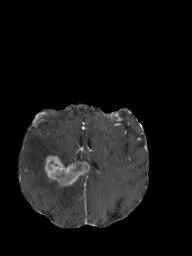
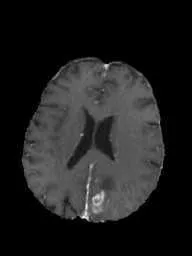
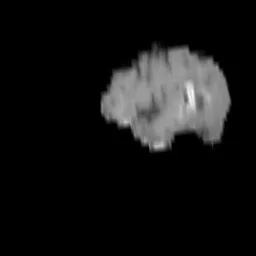
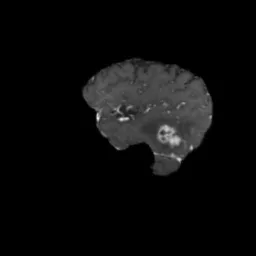

Ultralytics 脑肿瘤数据集是一个目标检测数据集,包含 1,116 张来自 MRI 和 CT 扫描的医学图像(893 张用于训练,223 张用于验证),分为 2 个类别:negative(无肿瘤)和 positive(有肿瘤)。你可以使用该数据集训练计算机视觉模型,在扫描图像中定位脑肿瘤,为早期诊断、治疗规划等医疗保健应用提供支持。
观看: 使用 Ultralytics Platform 和 Ultralytics YOLO26 检测脑肿瘤 | 目标检测 🚀
数据集结构#
脑肿瘤数据集包含 1,116 张图像,按 brain-tumor.yaml 配置划分为两个预定义子集:
| 划分 | 图像 | 标注 |
|---|---|---|
| 训练 | 893 | 是 |
| 验证 | 223 | 是 |
每张图像都标注为以下 2 个类别之一:
negative:未显示脑肿瘤的图像positive:显示脑肿瘤的图像
首次训练时,数据集会从 Ultralytics GitHub 资源自动下载(4.21 MB),因此无需手动设置。
访问 Ultralytics Platform 上的脑肿瘤数据集,浏览带有标注叠加层的图像,在 Charts 选项卡中查看类别分布和边界框热力图,还可以克隆数据集,在云端训练自己的模型。
应用场景#
利用计算机视觉检测脑肿瘤,有助于早期诊断、治疗规划和肿瘤进展监测。通过分析 MRI 或 CT 扫描图像,检测模型可以准确定位肿瘤,为及时医疗干预和个性化治疗提供支持。
医疗专业人员可以利用这项技术来:
- 缩短诊断时间并提高准确性
- 通过精确定位肿瘤辅助制定手术方案
- 长期监测治疗效果
- 支持肿瘤学和神经学研究
数据集 YAML#
YAML 文件定义数据集配置,包括路径、类别和其他相关信息。对于脑肿瘤数据集,brain-tumor.yaml 文件由 https://github.com/ultralytics/ultralytics/blob/main/ultralytics/cfg/datasets/brain-tumor.yaml 维护。
# Ultralytics 🚀 AGPL-3.0 License - https://ultralytics.com/license

# Brain-tumor dataset by Ultralytics
# Documentation: https://docs.ultralytics.com/datasets/detect/brain-tumor
# Example usage: yolo train data=brain-tumor.yaml
# parent
# ├── ultralytics
# └── datasets
#     └── brain-tumor ← downloads here (4.21 MB)

# Train/val/test sets as 1) dir: path/to/imgs, 2) file: path/to/imgs.txt, or 3) list: [path/to/imgs1, path/to/imgs2, ..]
path: brain-tumor # dataset root dir
train: images/train # train images (relative to 'path') 893 images
val: images/val # val images (relative to 'path') 223 images

# Classes
names:
  0: negative
  1: positive

# Download script/URL (optional)
download: https://github.com/ultralytics/assets/releases/download/v0.0.0/brain-tumor.zip用法#
要在脑肿瘤数据集上训练YOLO26模型 100 个轮次,图像尺寸设为 640,请使用提供的代码片段。有关可用参数的详细列表,请参阅模型的训练页面。
from ultralytics import YOLO

# 加载模型
model = YOLO("yolo26n.pt")  # 加载预训练模型(推荐用于训练)

# 训练模型
results = model.train(data="brain-tumor.yaml", epochs=100, imgsz=640)from ultralytics import YOLO
# 加载模型
model = YOLO("path/to/best.pt") # 加载经过脑肿瘤数据集微调的模型
# 使用模型进行推理
results = model.predict("https://ultralytics.com/assets/brain-tumor-sample.jpg")示例图像和标注#
脑肿瘤数据集包含有肿瘤和无肿瘤的脑部 MRI 与 CT 扫描图像。下面是该数据集中的一张示例图像及其标注。
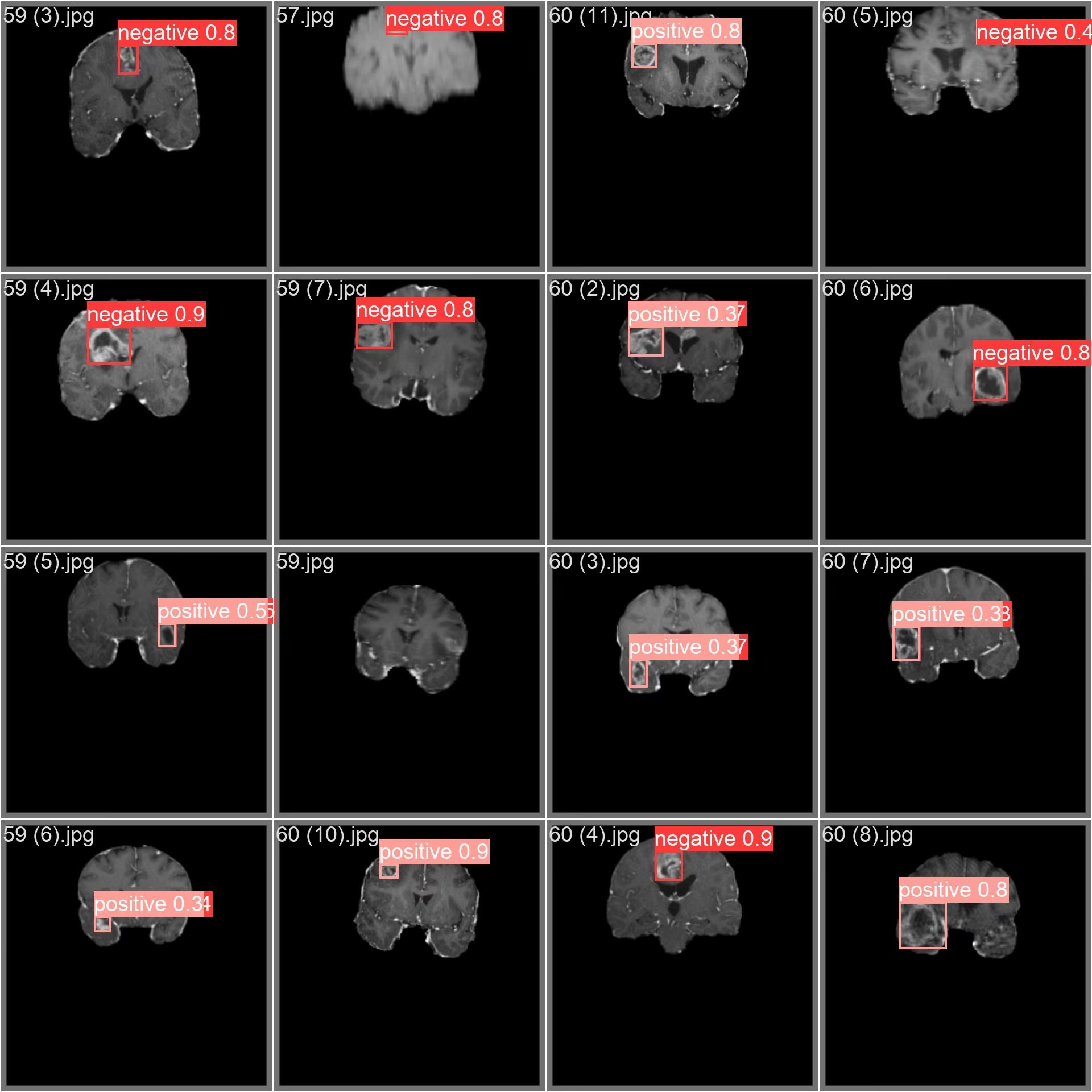
- 马赛克图像:这个训练批次展示了经过马赛克增强的数据集图像。马赛克增强会在训练期间将多张图像合并为一张,提高批次多样性,使模型能够更好地适应不同大小、形状和位置的肿瘤,从而支持医学图像分析。
引用与致谢#
该数据集采用 AGPL-3.0 许可证发布。
如果你在研究或开发工作中使用此数据集,请按规范引用:
@dataset{Ultralytics_Brain_Tumor_Dataset_2023,
    author = {Ultralytics},
    title = {Brain Tumor Detection Dataset},
    year = {2023},
    publisher = {Ultralytics},
    url = {https://docs.ultralytics.com/datasets/detect/brain-tumor}
}常见问题#
脑肿瘤数据集包含 1,116 张图像,分为两个子集:包含 893 张图像的训练集和包含 223 张图像的验证集,每张图像都有对应标注。这种划分有助于开发稳健、准确的脑肿瘤检测计算机视觉模型。更多信息请参阅数据集结构部分。
脑肿瘤数据集包含 2 个类别:
negative(未显示脑肿瘤的图像)和positive(显示脑肿瘤的图像)。这种二元标注使检测模型既能定位肿瘤,也能标记未发现肿瘤的扫描图像。首次使用
data="brain-tumor.yaml"进行训练时,脑肿瘤数据集(4.21 MB)会从 Ultralytics GitHub 资源自动下载,无需手动下载。你可以在检测数据集概览中浏览相关数据集。你可以通过 Python 和 CLI 两种方式,在脑肿瘤数据集上训练 YOLO26 模型 100 个轮次,图像尺寸设为 640px。以下是两种方式的示例:
训练示例from ultralytics import YOLO # 加载模型 model = YOLO("yolo26n.pt") # 加载预训练模型(推荐用于训练) # 训练模型 results = model.train(data="brain-tumor.yaml", epochs=100, imgsz=640)有关可用参数的详细列表,请参阅训练页面。
在 AI 项目中使用脑肿瘤数据集,有助于脑肿瘤的早期诊断和治疗规划。它通过计算机视觉自动识别脑肿瘤,帮助实现准确、及时的医疗干预,并支持制定个性化治疗策略。这项应用在改善患者预后和提高医疗效率方面具有很大潜力。有关 AI 在医疗保健领域应用的更多信息,请参阅 Ultralytics 医疗保健解决方案。
你可以通过 Python 或 CLI 执行经过微调的 YOLO26 模型的推理。以下是示例:
推理示例from ultralytics import YOLO # 加载模型 model = YOLO("path/to/best.pt") # 加载经过脑肿瘤数据集微调的模型 # 使用模型进行推理 results = model.predict("https://ultralytics.com/assets/brain-tumor-sample.jpg")脑肿瘤数据集的 YAML 配置文件位于 brain-tumor.yaml。该文件包含在此数据集上训练和评估模型所需的路径、类别和其他相关信息。