Обзор датасетов с ориентированными ограничивающими рамками (OBB)
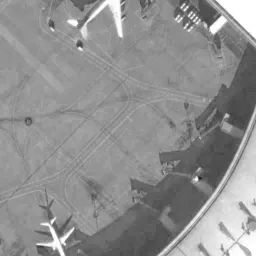
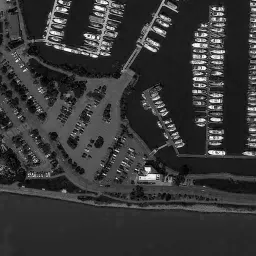
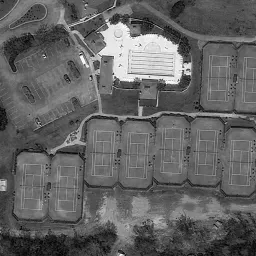
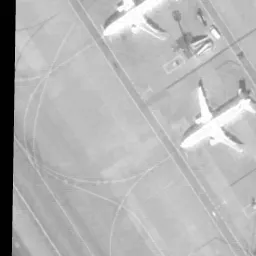
Для обучения точной модели обнаружения объектов с ориентированными ограничивающими рамками (OBB) нужен тщательно подготовленный датасет. В этом руководстве рассматриваются различные форматы датасетов OBB, совместимые с моделями Ultralytics YOLO, а также их структура, применение и способы преобразования форматов.
Поддерживаемые форматы датасетов OBB#
Формат YOLO OBB#
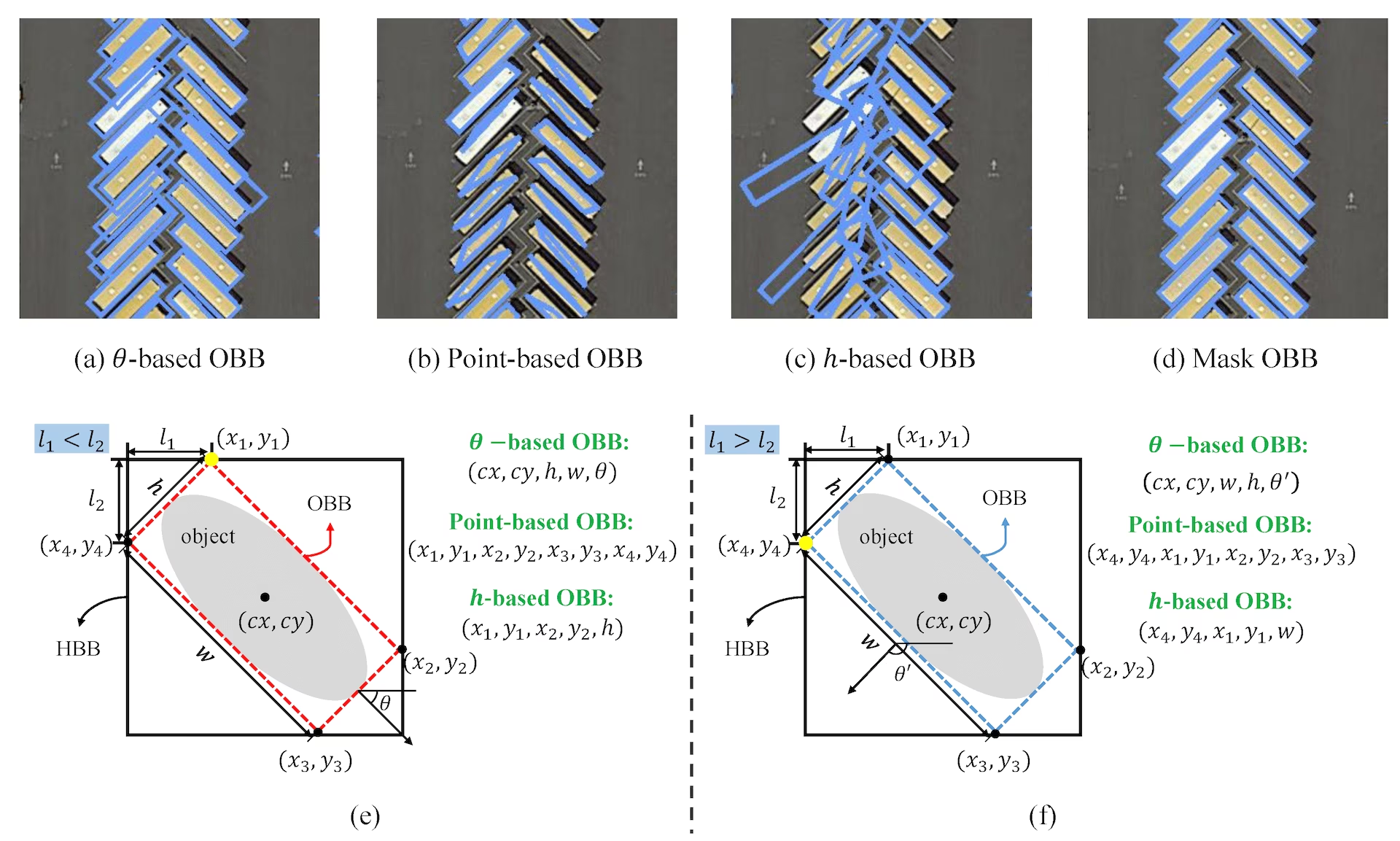
В формате YOLO OBB ограничивающие рамки задаются четырьмя угловыми точками с координатами, нормализованными в диапазоне от 0 до 1. Формат выглядит так:
class_index x1 y1 x2 y2 x3 y3 x4 y4Внутри YOLO обрабатывает функции потерь и выходные данные в формате xywhr, который содержит координаты центра ограничивающей рамки (xy), ширину, высоту и угол поворота.
Пример файла разметки *.txt для изображения выше, на котором объект класса 0 задан в формате OBB, может выглядеть так:
0 0.780811 0.743961 0.782371 0.74686 0.777691 0.752174 0.776131 0.749758Формат YAML-файла набора данных#
Для задания конфигурации датасета и модели при обучении моделей OBB фреймворк Ultralytics использует формат файлов YAML. Вот пример формата YAML для описания датасета OBB:
# Ultralytics 🚀 AGPL-3.0 License - https://ultralytics.com/license

# DOTA8 dataset (8 images from the DOTAv1 split) by Ultralytics
# Documentation: https://docs.ultralytics.com/datasets/obb/dota8
# Example usage: yolo train model=yolov8n-obb.pt data=dota8.yaml
# parent
# ├── ultralytics
# └── datasets
#     └── dota8 ← downloads here (1 MB)

# Train/val/test sets as 1) dir: path/to/imgs, 2) file: path/to/imgs.txt, or 3) list: [path/to/imgs1, path/to/imgs2, ..]
path: dota8 # dataset root dir
train: images/train # train images (relative to 'path') 4 images
val: images/val # val images (relative to 'path') 4 images

# Classes for DOTA 1.0
names:
  0: plane
  1: ship
  2: storage tank
  3: baseball diamond
  4: tennis court
  5: basketball court
  6: ground track field
  7: harbor
  8: bridge
  9: large vehicle
  10: small vehicle
  11: helicopter
  12: roundabout
  13: soccer ball field
  14: swimming pool

# Download script/URL (optional)
download: https://github.com/ultralytics/assets/releases/download/v0.0.0/dota8.zip
Каждый из объектов train, val и test принимает каталог, файл изображения, список каталогов или файлов изображений либо файл *.txt в кодировке UTF-8, в котором указан путь к одному изображению на каждой строке (пути, начинающиеся с ./, считаются относительно файла *.txt). Файл *.txt пригодится, чтобы обучаться на подмножестве изображений из каталога, пропускать изображения без разметки или объединять изображения из нескольких источников в одно разделение.
path: datasets/dota8 # dataset root
train: train.txt # a directory, an image, a list e.g. [images/a, images/b], or a *.txt file
val: val.txt
names:
0: planeИспользование#
Чтобы обучить модель с использованием этих форматов OBB:
from ultralytics import YOLO

# Загрузи предварительно обученную модель YOLO26n-OBB
model = YOLO("yolo26n-obb.pt")

# Обучи модель на датасете DOTAv1
results = model.train(data="DOTAv1.yaml", epochs=100, imgsz=1024)
Поддерживаемые датасеты#
Сейчас поддерживаются следующие датасеты с ориентированными ограничивающими рамками. Большинство этих датасетов также размещено на платформе Ultralytics: там можно просматривать изображения и аннотации, изучать статистику датасетов и клонировать их для облачного обучения.
- DOTA-v1: первая версия датасета DOTA — большой набор аэрофотоснимков с ориентированными ограничивающими рамками для обнаружения объектов.
- DOTA-v1.5: промежуточная версия датасета DOTA с дополнительными аннотациями и улучшениями по сравнению с DOTA-v1 для более эффективного обнаружения объектов.
- DOTA-v2: версия 2 датасета DOTA (масштабный датасет для обнаружения объектов на аэрофотоснимках), ориентированная на обнаружение объектов с воздуха; содержит 1,7 миллиона экземпляров и 11 268 изображений с ориентированными ограничивающими рамками.
- DOTA8: небольшая подвыборка из 8 изображений полного датасета DOTA, подходящая для тестирования рабочих процессов и проверок CI при обучении OBB в репозитории
ultralytics. - Мультиспектральный DOTA8: подвыборка из 8 изображений в формате TIFF с 10 каналами для тестирования обучения мультиспектральных моделей OBB на платформе Ultralytics.
- DOTA128: подвыборка из 128 изображений датасета DOTA; все изображения находятся в папке train и используются как для обучения, так и для валидации. Она удачно сочетает небольшой размер и разнообразие и подходит для тестирования моделей OBB.
- Текст на изображениях: набор данных из 65 325 изображений, объединяющий COCO-Text и HierText, с 1,29 млн читаемых полигонов слов для обучения OBB-моделей обнаружения текста на изображениях.
Добавление собственного датасета OBB#
Если ты хочешь добавить собственный датасет с ориентированными ограничивающими рамками, убедись, что он совместим с описанным выше «форматом YOLO OBB». Преобразуй аннотации в этот формат и укажи пути, классы и названия классов в соответствующем файле конфигурации YAML.
Преобразование форматов разметки#
Преобразование формата датасета DOTA в формат YOLO OBB#
Чтобы преобразовать разметку из формата датасета DOTA в формат YOLO OBB, используй этот скрипт:
from ultralytics.data.converter import convert_dota_to_yolo_obb

convert_dota_to_yolo_obb("path/to/DOTA")
Это преобразование делает датасеты в формате DOTA совместимыми с форматом OBB в Ultralytics YOLO.
Перед обучением проверь, что преобразованный датасет соответствует соглашениям формата YOLO OBB: правильная структура датасета необходима для точного обнаружения объектов с ориентированными ограничивающими рамками.
Часто задаваемые вопросы#
Ориентированные ограничивающие рамки (OBB) — это тип разметки ограничивающих рамок, при котором рамку можно повернуть, чтобы точнее совместить её с обнаруживаемым объектом, а не выравнивать только по осям. Это особенно полезно для аэрофотоснимков и спутниковых изображений, где объекты могут располагаться под углом к осям изображения. В моделях Ultralytics YOLO OBB представлены четырьмя угловыми точками в формате YOLO OBB. Это повышает точность обнаружения объектов, поскольку рамки можно поворачивать, чтобы лучше охватить объекты.
С помощью функции
convert_dota_to_yolo_obbиз Ultralytics можно преобразовать метки датасета DOTA в формат YOLO OBB. После преобразования метки совместимы с моделями Ultralytics YOLO OBB. Вот простой пример:from ultralytics.data.converter import convert_dota_to_yolo_obb convert_dota_to_yolo_obb("path/to/DOTA")Этот скрипт преобразует аннотации DOTA в формат, совместимый с YOLO.
Чтобы обучить модель YOLO26 с OBB, подготовь датасет в формате YOLO OBB, а затем используй API Ultralytics для обучения модели. Вот пример для Python и CLI:
Примерfrom ultralytics import YOLO # Создай новую модель YOLO26n-OBB с нуля model = YOLO("yolo26n-obb.yaml") # Обучи модель на пользовательском датасете results = model.train(data="your_dataset.yaml", epochs=100, imgsz=640)Обучение на разметке OBB позволяет модели точнее охватывать повёрнутые объекты и повышает точность обнаружения.
Сейчас Ultralytics поддерживает следующие датасеты для обучения OBB:
- DOTA-v1: первая версия датасета DOTA — большой набор аэрофотоснимков с ориентированными ограничивающими рамками для обнаружения объектов.
- DOTA-v1.5: промежуточная версия датасета DOTA с дополнительными аннотациями и улучшениями по сравнению с DOTA-v1 для более эффективного обнаружения объектов.
- DOTA-v2: Этот датасет содержит 1,7 миллиона объектов с ориентированными ограничивающими рамками и 11 268 изображений и в основном предназначен для обнаружения объектов на аэрофотоснимках.
- DOTA8: Небольшая подвыборка из 8 изображений датасета DOTA, предназначенная для тестирования и проверок непрерывной интеграции (CI).
- DOTA128: Подвыборка из 128 изображений; все изображения находятся в папке train и используются для обучения и валидации. Она разнообразнее DOTA8, но при этом остаётся удобной для первоначальной разработки моделей OBB и экспериментов.
- Текст на изображениях: COCO-Text и HierText объединены в набор данных с одним классом для обнаружения текста на изображениях, с повернутыми аннотациями слов и аннотациями по нескольким точкам.
Эти датасеты предназначены для сценариев, где OBB дают существенное преимущество, например для анализа аэрофотоснимков и спутниковых изображений.
Да, для обучения YOLO26 можно использовать собственный датасет с ориентированными ограничивающими рамками. Преобразуй аннотации датасета в формат YOLO OBB: для этого нужно задать ограничивающие рамки четырьмя угловыми точками. Затем создай файл конфигурации YAML, указав пути к датасету, классы и другие необходимые сведения. Подробнее о создании и настройке датасетов читай в разделе Поддерживаемые датасеты.


Комментарии129
Задай вопрос, поделись результатами или помоги кому-нибудь.
hodat2608
Hi everyone! i have a question. As we know, when i use labelimg obb to labeling images, it will export xywhr coordinates, example : 0 88.000000 101.000000 141.785406 14.314282 89.065522 0 477.548407 102.450004 140.874897 13.174511 -89.889658 0 218.000000 102.500000 140.785539 14.297973 89.065522
but if i use this format for training it gives error, can not train, i think i need to convert this xywhr format to xyxyxyxy format. So I need to consult everyone, how to convert this format. thanks *note: we need to pay attention to the angle during labeling, because when we use label img obb, the angle will be output as negative and positive, which means if it is less than 90 degrees it is negative, if it is greater than 90 degrees it is positive. However, in YOLOv8 it will not be shown like that, it will output the result always positive, **for example : label img obb : -89 degrees < 90 degrees < 89 degrees yolov8 : 89 degrees < 90 degrees < 91 degrees i use this source : https://github.com/heshameraqi/labelImg_OBB
1Chen-chang-yu
Hi, I used roLabelImg-master to label and the output is xml file. Here is my convert code( from xml (xywhr fotmat) -> txt (xyxyxyxy format) ). For your reference.
import math import xml.etree.ElementTree as ET import os
def rotate_point(x, y, angle): """ Rotate point (x, y) by angle around origin (0, 0). """ x_rot = x * math.cos(angle) - y * math.sin(angle) y_rot = x * math.sin(angle) + y * math.cos(angle) return x_rot, y_rot
def convert_to_xyxyxyxy(cx, cy, w, h, angle): """ Convert rotated bounding box to xyxyxyxy format. """ # Half width and height half_w = w / 2 half_h = h / 2
# Corner points relative to center
corners = [
    (-half_w, -half_h),
    (half_w, -half_h),
    (half_w, half_h),
    (-half_w, half_h)
]

# Rotate corners and translate
rotated_corners = []
for corner in corners:
    x_rot, y_rot = rotate_point(corner[0], corner[1], angle)
    rotated_corners.append((cx + x_rot, cy + y_rot))

# Format as xyxyxyxy
xyxyxyxy = " ".join([f"{int(round(x))},{int(round(y))}" for x, y in rotated_corners])
return xyxyxyxy
def convert_annotation(xml_file_path, output_dir): tree = ET.parse(xml_file_path) root = tree.getroot()
# Get image dimensions
size = root.find('size')
if size is None:
    raise ValueError("Size element not found in XML")

width = int(size.find('width').text)
height = int(size.find('height').text)

class_id = int(root.find('segmented').text)

# Create output file path
base_name = os.path.splitext(os.path.basename(xml_file_path))[0]
txt_file_path = os.path.join(output_dir, f"{base_name}.txt")

with open(txt_file_path, 'w') as txt_file:
    for obj in root.findall('object'):
        robndbox = obj.find('robndbox')

        if robndbox is not None:
            cx = float(robndbox.find('cx').text)
            cy = float(robndbox.find('cy').text)
            w = float(robndbox.find('w').text)
            h = float(robndbox.find('h').text)
            angle = float(robndbox.find('angle').text)

            # Convert to OBB format
            result = convert_to_xyxyxyxy(cx, cy, w, h, angle)

            result = result.replace(",", " ")
            # print(len(result))

            # 分割字符串,去掉逗号并转换为浮点数,除以1024
            normalized_results = [float(x) / 1024 for x in result.split()]
            print(normalized_results)

            # 将列表转换为字符串,元素用逗号和空格分隔
            result_str = ' '.join(map(str, normalized_results))

            # Write to file
            txt_file.write(f"{class_id} {result_str}\n")

# print(f"Converted {xml_file_path} to {txt_file_path}")
Example usage
xml_dir = r'C:\Users\datasets_HTC\xmllabels' output_dir = r'C:\Users\datasets_HTC\labels_OBB_format'
Ensure the output directory exists
os.makedirs(output_dir, exist_ok=True)
Convert all XML files in the directory
for xml_file in os.listdir(xml_dir): if xml_file.endswith('.xml'): convert_annotation( xml_file_path=os.path.join(xml_dir, xml_file), output_dir=output_dir, )
1luo-ross
No matter what annotation software you use for annotation, in the end, you only need to focus on xywhr. If it's detect, focus on xywh. If it's obb, then focus on xywhr. With this data, you can directly use the encapsulated methods provided in ultralytics. utilities
from ultralytics.utils import ops
For example, ops. xywhr 2xyxyxy (xywhr)
You don't need to repeatedly make wheels and do so much work.
Thank you so such. I will try your way and get back to you soon.
For appropriation, here is ready-made code, hoping it will be helpful to you
from ultralytics import YOLO import time import torch import math import cv2 import numpy as np import ultralytics
from ultralytics.utils import ops
img=cv2.imread(r"yourfilename.png")
#4 points x1y1=[550.0,400.0] x2y2=[450.0,400.0] x3y3=[450.0,600.0] x4y4=[550.0,600.0]
Example bbox with rotation at 45 degrees (converted to radians if needed)
r1=0 * np.pi / 180 r2=-45 * np.pi / 180 bbox = [500, 500, 200, 100, r1] # Convert degrees to radians xyxyxyxy =ops. xywhr2xyxyxyxy(torch.tensor(bbox)) xywhr=ops.xyxyxyxy2xywhr(xyxyxyxy.reshape(1,-1,2))
rotate=xywhr[:,4]*180/np.pi #clockwise xywhr1=ops.xyxyxyxy2xywhr(torch.tensor([[x1y1,x2y2,x3y3,x4y4]])) xywhr2=ops.xyxyxyxy2xywhr(torch.tensor([[x2y2,x3y3,x4y4,x1y1]])) xywhr3=ops.xyxyxyxy2xywhr(torch.tensor([[x3y3,x4y4,x1y1,x2y2]])) xywhr4=ops.xyxyxyxy2xywhr(torch.tensor([[x4y4,x1y1,x2y2,x3y3]]))
#anticlockwise xywhr5=ops.xyxyxyxy2xywhr(torch.tensor([[x1y1,x4y4,x3y3,x2y2]])) xywhr6=ops.xyxyxyxy2xywhr(torch.tensor([[x4y4,x3y3,x2y2,x1y1]])) xywhr7=ops.xyxyxyxy2xywhr(torch.tensor([[x3y3,x2y2,x1y1,x4y4]])) xywhr8=ops.xyxyxyxy2xywhr(torch.tensor([[x2y2,x1y1,x4y4,x3y3]]))
r=[xywhr1[:,4],xywhr2[:,4],xywhr3[:,4],xywhr4[:,4],xywhr5[:,4],xywhr6[:,4],xywhr7[:,4],xywhr8[:,4]]
#xyxyxyxy=ops.xywhr2xyxyxyxy(torch.tensor([161,152,100,170,math.radians(0)]))
data_array=xyxyxyxy.to(torch.int32).cpu().numpy() cv2.drawContours(img, [data_array], -1, (255, 0, 0), 2)
x=data_array[0][0] y=data_array[0][1] x1y1=[data_array[0][0], data_array[0][1]] x2y2=[data_array[1][0], data_array[1][1]] x3y3=[data_array[2][0], data_array[2][1]] x4y4=[data_array[3][0], data_array[3][1]]
xywhr=ops.xyxyxyxy2xywhr(torch.tensor([[x1y1, x2y2,x3y3, x4y4]]).to(torch.float32))
cv2.line(img, (x - 10, y), (x + 10, y), (0, 255, 0), 2) cv2.line(img, (x, y - 10), (x, y + 10), (0, 255, 0), 2)
cv2.putText(img, "1", (data_array[0][0],data_array[0][1]), cv2.FONT_HERSHEY_SIMPLEX, 1, (0, 0, 255), 1, lineType=cv2.LINE_AA) cv2.putText(img, "2", (data_array[1][0],data_array[1][1]), cv2.FONT_HERSHEY_SIMPLEX, 1, (0, 0, 255), 1, lineType=cv2.LINE_AA) cv2.putText(img, "3", (data_array[2][0],data_array[2][1]), cv2.FONT_HERSHEY_SIMPLEX, 1, (0, 0, 255), 1, lineType=cv2.LINE_AA) cv2.putText(img, "4", (data_array[3][0],data_array[3][1]), cv2.FONT_HERSHEY_SIMPLEX, 1, (0, 0, 255), 1, lineType=cv2.LINE_AA) cv2.imshow('Rectangle', img) cv2.waitKey(0)
#[tensor([1.5708]), tensor([1.5708]), tensor([1.5708]), tensor([1.5708]), tensor([1.5708]), tensor([1.5708]), tensor([1.5708]), tensor([1.5708])]
sd2=ops.xywhr2xyxyxyxy(torch.tensor([500,500,200,100,math.radians(-90)]))
sd3=ops.xywhr2xyxyxyxy(torch.tensor([500,500,200,100,math.radians(180)])) sd4=ops.xywhr2xyxyxyxy(torch.tensor([500,500,200,100,math.radians(270)])) sd5=ops.xywhr2xyxyxyxy(torch.tensor([500,500,200,100,math.radians(360)]))
sd6=ops.xywhr2xyxyxyxy(torch.tensor([500,500,200,100,math.radians(45)]))
radians=math.radians(-90)
test1=ops.xyxyxyxy2xywhr(torch.tensor([[100, 100, 100, 461.999104, 911.0016, 272.999424, 1066.99776, 527.0016]])) test2=ops.xyxyxyxy2xywhr(torch.tensor([[ 640.999424, 461.999104, 911.0016, 272.999424, 1066.99776, 527.0016,797.999104, 706.999296]])) test3=ops.xyxyxyxy2xywhr(torch.tensor([[ 461.999104, 911.0016, 272.999424, 1066.99776, 527.0016,797.999104, 706.999296, 640.999424]])) test4=ops.xyxyxyxy2xywhr(torch.tensor([[706.999296, 640.999424,461.999104, 911.0016, 272.999424, 1066.99776, 527.0016,797.999104 ]]))
I have another question? I want to train with higher imgsz, so what size is best for practice? 832 or 1280 ?
@hodat2608 Unless your application scenario is microscopic, such as those captured under a microscope, requiring recognition of cells or bacteria, and requires precision at the pixel level. So when you train, you need to ensure the size of the image. For example, if a 2448 * 2048 size image is scaled to 640 * 640, it may not be able to recognize the target well. So you can use larger training sizes, such as twice, three times, or four times 640, or ensure that the size is a multiple of 2 for better results. Of course, the larger the size, the lower the efficiency. You need to use GPU for training and prediction.
 Glenn JocherUltralytics
The best image size depends on your specific use case and hardware capabilities. Generally, larger sizes like 1280 can improve accuracy but require more computational resources. If you're limited by hardware, 832 might be a more practical choice.
DeekshithaDPrakash
Hi everyone! i have a question. As we know, when i use labelimg obb to labeling images, it will export xywhr coordinates, example : 0 88.000000 101.000000 141.785406 14.314282 89.065522 0 477.548407 102.450004 140.874897 13.174511 -89.889658 0 218.000000 102.500000 140.785539 14.297973 89.065522
but if i use this format for training it gives error, can not train, i think i need to convert this xywhr format to xyxyxyxy format. So I need to consult everyone, how to convert this format. thanks *note: we need to pay attention to the angle during labeling, because when we use label img obb, the angle will be output as negative and positive, which means if it is less than 90 degrees it is negative, if it is greater than 90 degrees it is positive. However, in YOLOv8 it will not be shown like that, it will output the result always positive, **for example : label img obb : -89 degrees < 90 degrees < 89 degrees yolov8 : 89 degrees < 90 degrees < 91 degrees i use this source : https://github.com/heshameraqi/labelImg_OBB
@hodat2608 Did you solve this issue and train yolo model for OBB ? It would be of great help if you could share relevant materials
luckg6
Hello Ultralytics team,
I have a question regarding YOLO OBB (Oriented Bounding Box) object detection. I noticed that for predicted bounding boxes, the angle can be obtained via obb.xywhr. However, it seems that there is no direct way to get the angle of the ground-truth boxes in the dataset.
Does this mean that if I want to calculate the angle error, I must manually compute it by converting the 8-point coordinates of the ground-truth boxes into an angle?
Thank you for your clarification!
- Glenn JocherUltralytics
GT labels in YOLO OBB are stored as 8 normalized corner coords (
class x1 y1 ... x4 y4), so there’s no explicit angle field in the*.txt; if you want an angle/error metric, convert the GT corners toxywhrusing the same helper Ultralytics uses internally viaxyxyxyxy2xywhr(angle returned in radians), which matches howresults[0].obb.xywhris defined in theOBBresults API and follows the OBB conventions noted in the OBB task docs.import cv2 import math import torch from ultralytics.utils.ops import xyxyxyxy2xywhr img = cv2.imread("path/to/image.png") h, w = img.shape[:2] # label line: cls x1 y1 x2 y2 x3 y3 x4 y4 (all coords normalized 0-1) parts = open("path/to/label.txt").read().strip().split() pts = torch.tensor([float(x) for x in parts[1:]], dtype=torch.float32).view(1, 4, 2) pts[..., 0] *= w pts[..., 1] *= h gt_xywhr = xyxyxyxy2xywhr(pts.view(1, 8)) gt_theta = gt_xywhr[0, 4].item() # radians def angle_diff_rad(pred_theta, gt_theta): # smallest signed diff considering 90-degree periodicity used by OBB return (pred_theta - gt_theta + math.pi / 2) % math.pi - math.pi / 2If you have follow-ups on the exact angle convention for your evaluation, drop them here in this discussion so the team can see the context.
ahrendsen
Is it true that the YOLO implementation of OBB would report an identical result for objects that are rotated 180 degrees from each other? For example, if I wanted to detect planes flying through the air and wanted to determine the direction they were flying with the angle of the OBB, YOLO OBB would not be able to distinguish between the front and the back of the plane?
msocode
I work with coffee bean classification. Until now, I was using yolov8-seg. However, I wanted some way to combine yolov11-obb + seg. Is there any way to run both processes together? Or would I have to do obb and then train the seg based on the previous result?
- Glenn JocherUltralytics(изменено)
Great question—YOLO26 doesn’t currently provide a single multitask head that outputs OBB and masks together; OBB and Seg are separate tasks. The simplest way to get both is to run a YOLO26 segmentation model and derive an OBB per instance mask with OpenCV’s
minAreaRect(one model, both outputs):from ultralytics import YOLO import numpy as np, cv2 seg = YOLO("yolo26s-seg.pt") results = seg("image.jpg")[0] for poly in results.masks.xy: # list of Nx2 polygons rect = cv2.minAreaRect(np.array(poly, dtype=np.float32)) # (cx,cy),(w,h),angle box = cv2.boxPoints(rect) # 4x2 OBB corners # use box or rect as your OBBIf you must use OBB first, a two-stage pipeline is fine: run
yolo26*-obb.pt, crop/rotate ROIs, then run ayolo26*-seg.ptmodel on each ROI. See the Segmentation task guide and YOLO26 model variants in the docs: Segmentation docs and YOLO26 models.1
eorroot
Hello, have you considered adding a new UAV Bounding Box (OBB) Datasets, CODrone (https://github.com/AHideoKuzeA/CODrone-A-Comprehensive-Oriented-Object-Detection-benchmark-for-UAV)?
UltralyticsAssistantUltralytics
👋 Olá, obrigado pelo seu interesse nos modelos Ultralytics 🚀! Recomendamos uma visita à Documentação para novos utilizadores, onde pode encontrar vários exemplos de uso em Python e na CLI, além de respostas para as perguntas mais frequentes.
Se este for um 🐛 Relatório de Bug, por favor forneça um exemplo mínimo reproduzível para nos ajudar a depurá-lo.
Se for uma dúvida sobre treinamento personalizado ❓, forneça o máximo de informações possível, incluindo exemplos do conjunto de dados e logs de treinamento, e verifique se está seguindo as nossas Dicas para Melhores Resultados de Treinamento.
Junte-se à comunidade Ultralytics onde preferir. Para conversas em tempo real, visite o Discord 🎧. Para discussões mais detalhadas, consulte o Discourse. Ou participe de discussões na nossa Subreddit para compartilhar conhecimento com outros membros.
Atualização
Atualize para a versão mais recente do pacote
ultralytics, incluindo todos os requisitos, em um ambiente Python>=3.8 com PyTorch>=1.8, para verificar se o problema já não foi resolvido:pip install -U ultralyticsAmbientes
O YOLO pode ser executado em qualquer um dos seguintes ambientes atualizados e verificados (com todas as dependências, incluindo CUDA/CUDNN, Python e PyTorch pré-instalados):
- Notebooks com GPU gratuita:


- Google Cloud Deep Learning VM. Veja o Guia de Início Rápido no GCP
- Amazon Deep Learning AMI. Veja o Guia de Início Rápido na AWS
- Imagem Docker. Veja o Guia de Início Rápido no Docker
Status

Se este badge estiver verde, todos os testes do Ultralytics CI estão a passar. Os testes CI verificam a operação correta de todos os Modos e Tarefas do YOLO em macOS, Windows e Ubuntu a cada 24 horas e a cada commit.
Este é um comentário automatizado 🤖, mas um engenheiro da Ultralytics irá responder em breve para ajudar mais!
- Notebooks com GPU gratuita:
jorgemarquesferreirajunior
Thank you so much! This article was very helpful for me. The OBB code works very well. Last year, I was trying to detect objects of my custom dataset and draw each oriented bounding box using OpenCV. It worked, but there were some issues with overlapping items. Using OBB perfomed by YOLO, my problems were solved.
r-isr
Hi, I'm working on reproducing MAP scores for YOLO OBB on DOTA 1.0 dataset. Despite experimenting with various batch sizes and nominal batch sizes on my 11GB GPU, the model's performance plateaus around MAP 60 on validation. The model:
Training Configuration:
- Used convert_dota_to_yolo_obb script for data preparation
- Model: yolov8n-obb.yaml
- Parameters:
- Initial training: 20 epochs
- Multiple additional 10-epoch iterations
- image size: 1024
- confidence threshold: 0.25
- fraction: 0.5
Despite trying different batch configurations and extending training through multiple iterations, the validation MAP consistently stalls at 60, well below the expected test score of 80.
Questions:
- Are these results expected for validation performance?
- Would class balancing improve the results?
- Are my hardware limitations (11GB GPU) affecting performance?
- What's a reasonable MAP score to expect on the validation set?
- Glenn JocherUltralytics(изменено)
@r-isr thank you for your detailed question. Here's a concise response:
- Validation vs Test Scores: DOTA validation scores often trail test scores due to different splits and evaluation protocols. Ensure you're using the official DOTA evaluation tools for comparable metrics (DOTA Dataset Guide).
- Epochs: Extend training to 100 epochs as shown in our DOTA training example - shorter runs may underfit.
- Hardware: While 11GB GPUs work, larger batch sizes (via
batch=-1for auto-scaling) often help stabilize training. - Class Balance: DOTA's inherent class imbalance can impact results. Consider oversampling rare classes.
For precise benchmarking, compare against the DOTAv1 results listed on the OBB task page using identical settings (those are test-set scores, reproduced with
yolo obb val data=DOTAv1.yaml split=test nms=False save_json=Trueand the DOTA evaluation server). Let us know if you still observe discrepancies! 🚀
fcndata
With so much tools like SAM that allow us to better label, is it possible to train our model with polygons without transforming it into Bounding Boxes?
- Glenn JocherUltralytics
@fcndata currently, YOLO models require annotations to follow specific formats like the YOLO OBB format for training. While SAM and similar tools can assist in creating precise polygon-based labels, these would need to be converted to bounding box formats (e.g., OBB) for YOLO compatibility. For details on conversion, please refer to the OBB Dataset Guide.
I trust your expertise, but I came across a tutorial where they used polygon-based labels to train the model and the perform a comparison within different annotations formats on YOLOv8:
On this analysis, they also present the overall coding here:
In the tutorial, they use the following code snippet:
!yolo task=detect mode=train model=yolov8n.yaml data={polygon_dataset.location}/data.yaml epochs=80 imgsz=640
I reviewed the training dataset, and it follows the format of a dataset typically used for segmentation, where each annotation is structured as:
...
Having said that, how do the they train the model with polygons.
Thanks!
- Glenn JocherUltralytics
Thank you for sharing the references. The tutorial you mentioned likely uses a segmentation dataset with polygon annotations converted to bounding boxes or masks during preprocessing. YOLO models, including YOLOv8 and YOLO11, require annotations in specific formats (e.g., standard bounding boxes or YOLO OBB format) for training. For polygon data, you would need to preprocess and transform the annotations into an appropriate format like bounding boxes or masks. If you'd like to explore polygon-based tasks further, tools like SAM can assist with segmentation tasks, but adaptation for YOLO training is still necessary. Let me know if you need more guidance!
rihablahouar
Issue with Incorrect Predictions from Quantized YOLOv8m-obb Model (TFLite) in TensorFlow Framework
I have exported my YOLOv8m-obb model to TFLite format with INT8 quantization enabled, using an image size of 640x640 and a data.yaml for my dataset. When I use the quantized model for inference with the Ultralytics framework (Oriented Bounding Boxes), the predictions are correct. However, when I use the same model in the TensorFlow framework, I encounter several issues with the output:
Confidence scores are greater than 1, which is incorrect.
The class_id is either -1 or 0, but it should be 0 or 1 since I have only two classes.
The x and y coordinates have values of -1, which is wrong.
I suspect there might be an issue with how the quantization parameters (scale and zero-point) are being applied in TensorFlow, or possibly with the way I'm handling the model's output or the way I exported the model. I would appreciate guidance on how to correctly handle the quantized model in TensorFlow and resolve the issues with incorrect predictions.
- Glenn JocherUltralytics
@rihablahouar the issue likely arises due to differences in how TensorFlow interprets or handles the quantized TFLite model's outputs. Ensure that the post-processing operations (like decoding bounding boxes, confidence scores, and class indices) align with the model's export format and scale/zero-point quantization parameters. Additionally, verify the TensorFlow inference pipeline against the Ultralytics implementation for any discrepancies. For further debugging, you may find it useful to test the unquantized TFLite model in TensorFlow to isolate the quantization's impact.
