ADE20K 数据集#
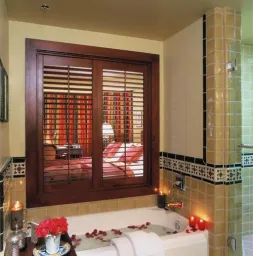
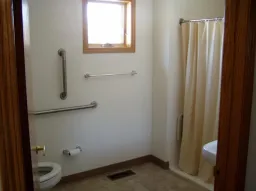
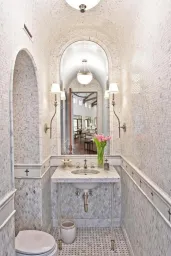

ADE20K 数据集是由 MIT CSAIL 提供的大规模语义分割基准,包含 20,210 张训练图像和 2,000 张验证图像,涵盖 150 个室内、室外、物体和背景类别,并进行了密集标注。它是使用 Ultralytics YOLO 训练和评估密集场景理解模型的标准资源。
主要功能#
- ADE20K 的完整 SceneParsing 基准共包含 25,562 张图像:20,210 张用于训练,2,000 张用于验证,3,352 张用于测试。测试图像的标注不会公开,因此可下载的
ADEChallengeData2016压缩包和 Ultralyticsade20k.yaml配置只使用训练集和验证集。 - 该数据集涵盖 150 个语义类别,包括室内、室外、物体和背景类。
- 标注采用密集的像素级分割掩码,适用于场景解析。
数据集结构#
Ultralytics 配置要求使用官方的 ADEChallengeData2016 目录结构:
ADEChallengeData2016/
├── images/
│   ├── training/
│   └── validation/
└── annotations/
    ├── training/
└── validation/ADE20K 没有自动下载脚本。下载约 1 GB 的 ADEChallengeData2016.zip 压缩包,并将其直接解压到你的 datasets/ 文件夹中。压缩包自带的顶层文件夹已命名为 ADEChallengeData2016/,因此解压后会生成与上述目录结构匹配的 datasets/ADEChallengeData2016/——不要自行创建 ADEChallengeData2016 文件夹再将压缩包解压到其中,否则会产生 YAML 无法找到的嵌套 datasets/ADEChallengeData2016/ADEChallengeData2016/ 目录。
masks_dir 字段设为 annotations,因此 images/ 下的每张图像都会与 annotations/ 下对应的掩码配对。原始 ADE20K 掩码使用源标签 ID,其中 0 会被忽略;label_mapping 部分会将有效标签 1 到 150 转换为连续的训练 ID 0 到 149,并将被忽略的像素映射为 255。
应用场景#
ADE20K 广泛用于训练和评估语义分割与场景解析中的深度学习模型。其类别丰富、场景复杂,适用于自动导航、机器人、增强现实和图像编辑等应用。
丰富的室内和室外场景也使 ADE20K 成为评估模型跨域泛化能力的优秀基准。预训练的 YOLO26 语义分割模型在 ADE20K 验证集上的 mIoU 最高可达 51.5——完整基准测试表请参阅语义分割模型页面。ADE20K 格式的数据集也完全兼容 Ultralytics Platform,可用于数据集管理和训练。
数据集 YAML#
数据集 YAML 文件定义 ADE20K 的路径、类别、掩码目录和标签映射。ade20k.yaml 文件维护在 https://github.com/ultralytics/ultralytics/blob/main/ultralytics/cfg/datasets/ade20k.yaml。
# Ultralytics 🚀 AGPL-3.0 License - https://ultralytics.com/license

# ADE20K semantic segmentation dataset (150 classes)
# Documentation: https://docs.ultralytics.com/datasets/semantic/ade20k
# Example usage: yolo semantic train data=ade20k.yaml model=yolo26n-sem-ade20k.pt
# parent
# ├── ultralytics
# └── datasets
#     └── ADEChallengeData2016 ← downloads here (1 GB)
#         └── images
#         └── annotations

# Dataset root directory
path: ADEChallengeData2016
train: images/training
val: images/validation

masks_dir: annotations # semantic mask directory

# ADE20K 150-class labels
names:
  0: wall
  1: building
  2: sky
  3: floor
  4: tree
  5: ceiling
  6: road
  7: bed
  8: windowpane
  9: grass
  10: cabinet
  11: sidewalk
  12: person
  13: earth
  14: door
  15: table
  16: mountain
  17: plant
  18: curtain
  19: chair
  20: car
  21: water
  22: painting
  23: sofa
  24: shelf
  25: house
  26: sea
  27: mirror
  28: rug
  29: field
  30: armchair
  31: seat
  32: fence
  33: desk
  34: rock
  35: wardrobe
  36: lamp
  37: bathtub
  38: railing
  39: cushion
  40: base
  41: box
  42: column
  43: signboard
  44: chest of drawers
  45: counter
  46: sand
  47: sink
  48: skyscraper
  49: fireplace
  50: refrigerator
  51: grandstand
  52: path
  53: stairs
  54: runway
  55: case
  56: pool table
  57: pillow
  58: screen door
  59: stairway
  60: river
  61: bridge
  62: bookcase
  63: blind
  64: coffee table
  65: toilet
  66: flower
  67: book
  68: hill
  69: bench
  70: countertop
  71: stove
  72: palm
  73: kitchen island
  74: computer
  75: swivel chair
  76: boat
  77: bar
  78: arcade machine
  79: hovel
  80: bus
  81: towel
  82: light
  83: truck
  84: tower
  85: chandelier
  86: awning
  87: streetlight
  88: booth
  89: television receiver
  90: airplane
  91: dirt track
  92: apparel
  93: pole
  94: land
  95: bannister
  96: escalator
  97: ottoman
  98: bottle
  99: buffet
  100: poster
  101: stage
  102: van
  103: ship
  104: fountain
  105: conveyor belt
  106: canopy
  107: washer
  108: plaything
  109: swimming pool
  110: stool
  111: barrel
  112: basket
  113: waterfall
  114: tent
  115: bag
  116: minibike
  117: cradle
  118: oven
  119: ball
  120: food
  121: step
  122: tank
  123: trade name
  124: microwave
  125: pot
  126: animal
  127: bicycle
  128: lake
  129: dishwasher
  130: screen
  131: blanket
  132: sculpture
  133: hood
  134: sconce
  135: vase
  136: traffic light
  137: tray
  138: ashcan
  139: fan
  140: pier
  141: crt screen
  142: plate
  143: monitor
  144: bulletin board
  145: shower
  146: radiator
  147: glass
  148: clock
  149: flag

# Map source label IDs to train IDs; ignore_label is converted to 255.
label_mapping:
  0: ignore_label
  1: 0
  2: 1
  3: 2
  4: 3
  5: 4
  6: 5
  7: 6
  8: 7
  9: 8
  10: 9
  11: 10
  12: 11
  13: 12
  14: 13
  15: 14
  16: 15
  17: 16
  18: 17
  19: 18
  20: 19
  21: 20
  22: 21
  23: 22
  24: 23
  25: 24
  26: 25
  27: 26
  28: 27
  29: 28
  30: 29
  31: 30
  32: 31
  33: 32
  34: 33
  35: 34
  36: 35
  37: 36
  38: 37
  39: 38
  40: 39
  41: 40
  42: 41
  43: 42
  44: 43
  45: 44
  46: 45
  47: 46
  48: 47
  49: 48
  50: 49
  51: 50
  52: 51
  53: 52
  54: 53
  55: 54
  56: 55
  57: 56
  58: 57
  59: 58
  60: 59
  61: 60
  62: 61
  63: 62
  64: 63
  65: 64
  66: 65
  67: 66
  68: 67
  69: 68
  70: 69
  71: 70
  72: 71
  73: 72
  74: 73
  75: 74
  76: 75
  77: 76
  78: 77
  79: 78
  80: 79
  81: 80
  82: 81
  83: 82
  84: 83
  85: 84
  86: 85
  87: 86
  88: 87
  89: 88
  90: 89
  91: 90
  92: 91
  93: 92
  94: 93
  95: 94
  96: 95
  97: 96
  98: 97
  99: 98
  100: 99
  101: 100
  102: 101
  103: 102
  104: 103
  105: 104
  106: 105
  107: 106
  108: 107
  109: 108
  110: 109
  111: 110
  112: 111
  113: 112
  114: 113
  115: 114
  116: 115
  117: 116
  118: 117
  119: 118
  120: 119
  121: 120
  122: 121
  123: 122
  124: 123
  125: 124
  126: 125
  127: 126
  128: 127
  129: 128
  130: 129
  131: 130
  132: 131
  133: 132
  134: 133
  135: 134
  136: 135
  137: 136
  138: 137
  139: 138
  140: 139
  141: 140
  142: 141
  143: 142
  144: 143
  145: 144
  146: 145
  147: 146
  148: 147
  149: 148
  150: 149
# Download URL (manual): https://data.csail.mit.edu/places/ADEchallenge/ADEChallengeData2016.zip用法#
要在 ADE20K 数据集上训练 YOLO26n-sem 模型 100 个 epochs,图像尺寸设为 640,你可以使用以下代码片段。可用参数的完整列表请参阅模型的训练页面。
from ultralytics import YOLO

# 加载模型
model = YOLO("yolo26n-sem-ade20k.pt")  # 加载使用 ADE20K 预训练的模型(建议用于训练)

# 训练模型
results = model.train(data="ade20k.yaml", epochs=100, imgsz=640)引用、许可证和致谢#
ADE20K 图像仅供非商业研究和教育用途;数据集的标注软件另行采用 BSD-3 许可。商业用途需获得 MIT CSAIL 的许可。
如果你在研究或开发工作中使用 ADE20K 数据集,请引用以下论文:
@inproceedings{zhou2017scene,
  title={Scene Parsing through ADE20K Dataset},
  author={Zhou, Bolei and Zhao, Hang and Puig, Xavier and Fidler, Sanja and Barriuso, Adela and Torralba, Antonio},
  booktitle={Proceedings of the IEEE Conference on Computer Vision and Pattern Recognition},
  year={2017}
}
我们谨此感谢 MIT CSAIL 计算机视觉小组创建并维护这一对计算机视觉社区极具价值的资源。有关 ADE20K 数据集及其创建者的更多信息,请访问 ADE20K 数据集网站。
常见问题#
要在 ADE20K 数据集上训练 YOLO26n-sem 模型 100 个 epochs,图像尺寸设为 640,你可以使用以下代码片段。可用参数的详细列表请参阅模型的训练页面。
训练示例from ultralytics import YOLO # 加载模型 model = YOLO("yolo26n-sem-ade20k.pt") # 加载使用 ADE20K 预训练的模型(建议用于训练) # 训练模型 results = model.train(data="ade20k.yaml", epochs=100, imgsz=640)ADE20K 数据集采用官方的 ADEChallengeData2016 目录结构,图像存放在
images/training/和images/validation/下,对应的掩码存放在annotations/training/和annotations/validation/下。Ultralytics YAML 文件通过masks_dir: annotations字段将每张图像与其掩码配对,并使用label_mapping将源标签 ID1–150转换为连续的训练 ID0–149,并将忽略标签映射为255。需要。下载
ADEChallengeData2016.zip压缩包(约 1 GB),并在训练前将其直接解压到你的datasets/文件夹中——压缩包自带的顶层文件夹已命名为ADEChallengeData2016/,因此将其解压到该位置(不要解压到你自行创建的单独ADEChallengeData2016文件夹中),就会生成ade20k.yaml所需的images/和annotations/目录结构。ADE20K 标注掩码存储源标签 ID,其中
0表示忽略类或背景类。label_mapping部分会将有效标签1到150映射为连续的训练 ID0到149,并将255分配给被忽略的像素,使其在训练和验证期间不计入损失和指标。不可以。ADE20K 图像的使用条款仅允许非商业研究和教育用途;随附的标注软件另行采用 BSD-3 许可。有关商业许可选项,请联系 MIT CSAIL。