PASCAL VOCデータセット#
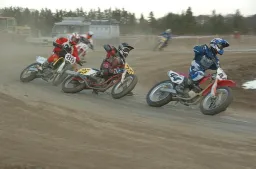
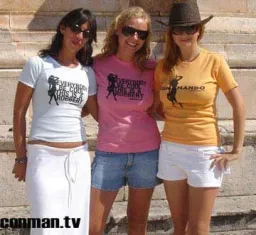
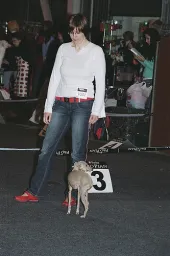

PASCAL VOC(Visual Object Classes)データセットは、20種類の日常物体カテゴリを含む、古典的な物体検出ベンチマークです。UltralyticsのVOC.yaml設定では、VOC2007とVOC2012のtrainval分割を統合して画像16,551枚のトレーニングセットを作成し、公開アノテーション付きのVOC2007テスト画像4,952枚で検証します。初回使用時にすべてが自動ダウンロードされます(2.8 GB)。
視聴: Pascal VOC データセットで Ultralytics YOLO をトレーニングする方法 | 物体検出 | コンピュータービジョン 🚀
PASCAL VOCチャレンジは2005年から2012年まで開催され、物体検出モデルの評価方法を形作りました。このベンチマークは画像分類、検出、セグメンテーションのタスクを扱い、検出の標準指標として平均適合率(mAP)を広く普及させました。UltralyticsのVOC.yaml設定では検出アノテーションを使用し、ダウンロード時に元のXML形式のバウンディングボックスをYOLO形式に変換します。
主な機能#
- 日常物体の20クラス:人;6種類の動物(鳥、猫、牛、犬、馬、羊);7種類の乗り物(飛行機、自転車、ボート、バス、自動車、オートバイ、列車);6種類の屋内物体(ボトル、椅子、ダイニングテーブル、鉢植え、ソファ、テレビモニター)。
- 2世代のチャレンジを統合:トレーニングセットは、VOC2007 trainval(画像5,011枚)とVOC2012 trainval(画像11,540枚)を統合して作成されます。
- 標準化された評価:長年にわたって公開されたVOCのベースラインがあるため、検出モデルを比較する際の便利な基準となります。
- YOLOですぐに利用可能:ダウンロードスクリプトがアーカイブを取得し、アノテーションを自動変換するため、手動で準備する必要はありません。
データセットの構成#
UltralyticsのVOC.yaml設定では、次の分割を定義しています。
| 分割 | 画像 | ソース |
|---|---|---|
| 学習 | 16,551 | VOC2007 trainval(5,011枚)+ VOC2012 trainval(11,540枚) |
| 検証 | 4,952 | トレーニング中の評価に使用するVOC2007テスト |
| テスト | 4,952 | 同じVOC2007テスト画像です。設定には別のホールドアウト分割はありません。 |
VOC2007のテストアノテーションは、その年のチャレンジ終了後に公開されたため、この分割をラベル付き検証セットとして使用できます。VOC2012のテストアノテーションは非公開のままであり、公式のPASCAL評価サーバーを通じてのみスコアを取得できるため、この設定には含まれません。
自動変換ツールは、元のVOC XMLアノテーションでdifficultと指定された物体をスキップするため、クラスごとのインスタンス数は公式のVOC統計と若干異なります。
Ultralytics Platform上のVOCを開くと、アノテーションを重ねた画像を閲覧したり、Chartsタブでクラス分布やバウンディングボックスのヒートマップを確認したり、データセットを複製してクラウドで独自のモデルをトレーニングしたりできます。
用途#
より大規模なCOCOデータセットが登場する前、PASCAL VOCは物体検出研究の主要なベンチマークでした。Faster R-CNNやSSDなどの検出器は、当初の結果をこのデータセットで報告し、Ultralytics YOLOモデルも追加設定なしでトレーニングできます。現在も、次の用途で広く利用されています。
- 長年にわたって公開されたベースラインを基準に、新しい検出アーキテクチャを評価する
- 迅速な実験やコースワーク。トレーニング画像が16,551枚のため、COCOよりもはるかに速くトレーニングできます。
- コンパクトでよく理解された日常カテゴリのデータセットを用いた転移学習の研究
データセットYAML#
VOC.yamlファイルでは、データセットのパス、20種類のクラス名、自動ダウンロード・変換スクリプトなど、データセット設定を定義します。このファイルはUltralyticsリポジトリのhttps://github.com/ultralytics/ultralytics/blob/main/ultralytics/cfg/datasets/VOC.yamlで管理されています。
# Ultralytics 🚀 AGPL-3.0 License - https://ultralytics.com/license

# PASCAL VOC dataset https://www.robots.ox.ac.uk/~vgg/projects/pascal/VOC by University of Oxford
# Documentation: https://docs.ultralytics.com/datasets/detect/voc
# Example usage: yolo train data=VOC.yaml
# parent
# ├── ultralytics
# └── datasets
#     └── VOC ← downloads here (2.8 GB)

# Train/val/test sets as 1) dir: path/to/imgs, 2) file: path/to/imgs.txt, or 3) list: [path/to/imgs1, path/to/imgs2, ..]
path: VOC
train: # train images (relative to 'path') 16551 images
  - images/train2012
  - images/train2007
  - images/val2012
  - images/val2007
val: # val images (relative to 'path') 4952 images
  - images/test2007
test: # test images (optional)
  - images/test2007

# Classes
names:
  0: aeroplane
  1: bicycle
  2: bird
  3: boat
  4: bottle
  5: bus
  6: car
  7: cat
  8: chair
  9: cow
  10: diningtable
  11: dog
  12: horse
  13: motorbike
  14: person
  15: pottedplant
  16: sheep
  17: sofa
  18: train
  19: tvmonitor

# Download script/URL (optional) ---------------------------------------------------------------------------------------
download: |
  import xml.etree.ElementTree as ET
  from pathlib import Path

  from ultralytics.utils.downloads import download
  from ultralytics.utils import ASSETS_URL, TQDM

  def convert_label(path, lb_path, year, image_id):
      """Converts XML annotations from VOC format to YOLO format by extracting bounding boxes and class IDs."""

      def convert_box(size, box):
          dw, dh = 1.0 / size[0], 1.0 / size[1]
          x, y, w, h = (box[0] + box[1]) / 2.0 - 1, (box[2] + box[3]) / 2.0 - 1, box[1] - box[0], box[3] - box[2]
          return x * dw, y * dh, w * dw, h * dh

      with open(path / f"VOC{year}/Annotations/{image_id}.xml") as in_file, open(lb_path, "w", encoding="utf-8") as out_file:
          tree = ET.parse(in_file)
          root = tree.getroot()
          size = root.find("size")
          w = int(size.find("width").text)
          h = int(size.find("height").text)

          names = list(yaml["names"].values())  # names list
          for obj in root.iter("object"):
              cls = obj.find("name").text
              if cls in names and int(obj.find("difficult").text) != 1:
                  xmlbox = obj.find("bndbox")
                  bb = convert_box((w, h), [float(xmlbox.find(x).text) for x in ("xmin", "xmax", "ymin", "ymax")])
                  cls_id = names.index(cls)  # class id
                  out_file.write(" ".join(str(a) for a in (cls_id, *bb)) + "\n")

  # Download
  dir = Path(yaml["path"])  # dataset root dir
  urls = [
      f"{ASSETS_URL}/VOCtrainval_06-Nov-2007.zip",  # 446MB, 5011 images
      f"{ASSETS_URL}/VOCtest_06-Nov-2007.zip",  # 438MB, 4952 images
      f"{ASSETS_URL}/VOCtrainval_11-May-2012.zip",  # 1.95GB, 17125 images
  ]
  download(urls, dir=dir / "images", threads=3, exist_ok=True)  # download and unzip over existing (required)

  # Convert
  path = dir / "images/VOCdevkit"
  for year, image_set in ("2012", "train"), ("2012", "val"), ("2007", "train"), ("2007", "val"), ("2007", "test"):
      imgs_path = dir / "images" / f"{image_set}{year}"
      lbs_path = dir / "labels" / f"{image_set}{year}"
      imgs_path.mkdir(exist_ok=True, parents=True)
      lbs_path.mkdir(exist_ok=True, parents=True)

      with open(path / f"VOC{year}/ImageSets/Main/{image_set}.txt") as f:
          image_ids = f.read().strip().split()
      for id in TQDM(image_ids, desc=f"{image_set}{year}"):
          f = path / f"VOC{year}/JPEGImages/{id}.jpg"  # old img path
          lb_path = (lbs_path / f.name).with_suffix(".txt")  # new label path
          f.rename(imgs_path / f.name)  # move image
convert_label(path, lb_path, year, id) # convert labels to YOLO format使用方法#
VOCは初回のトレーニング時に自動的にダウンロードされます。3つのアーカイブの合計サイズは2.8 GBで、展開と変換には約6 GBの空きディスク容量が必要です。
VOCデータセットでYOLO26nモデルを画像サイズ640、エポック数100でトレーニングするには、次のコードスニペットを使用できます。使用可能な引数の一覧については、モデルのトレーニングページを参照してください。
from ultralytics import YOLO

# モデルを読み込む
model = YOLO("yolo26n.pt")  # 事前トレーニング済みモデルを読み込みます(トレーニングにはこちらを推奨します)

# モデルをトレーニングします - データセットは初回実行時に自動ダウンロードされます
results = model.train(data="VOC.yaml", epochs=100, imgsz=640)サンプル画像とアノテーション#
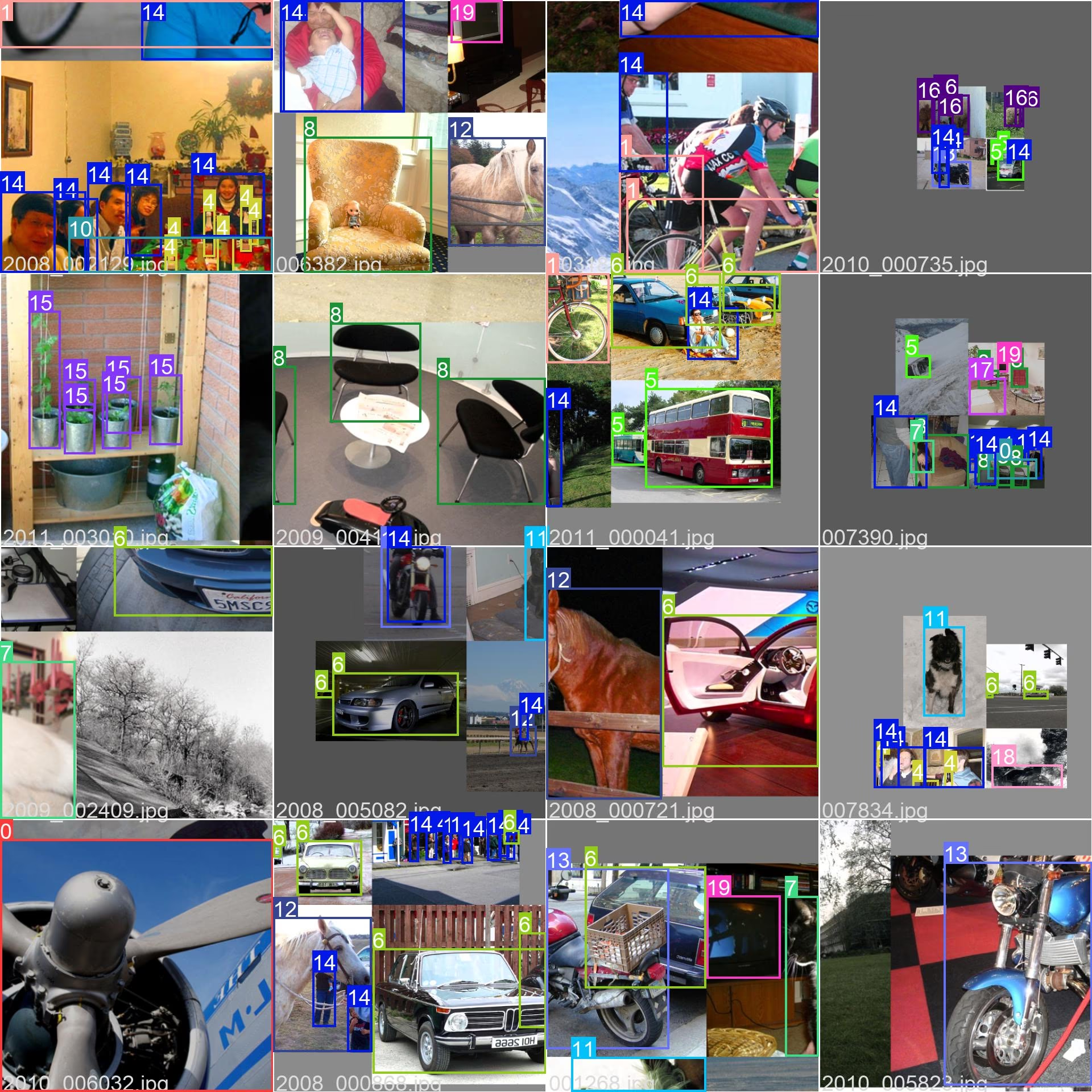
以下の画像は、VOCデータセットのモザイク化されたトレーニングバッチを示しています。モザイク化では複数の画像を1つのトレーニングサンプルに結合することで、各バッチでモデルが認識する物体、スケール、シーンのコンテキストの多様性を高めます。詳しくは、YOLOデータ拡張ガイドを参照してください。
引用と謝辞#
研究または開発でVOCデータセットを使用する場合は、以下の論文を引用してください。
@article{everingham2010pascal,
  author={Everingham, Mark and Van Gool, Luc and Williams, Christopher K. I. and Winn, John and Zisserman, Andrew},
  journal={International Journal of Computer Vision},
  title={The Pascal Visual Object Classes (VOC) Challenge},
  year={2010},
  volume={88},
  number={2},
  pages={303-338},
doi={10.1007/s11263-009-0275-4}}コンピュータビジョンコミュニティにとって貴重なリソースであるVOCデータセットを作成し、維持しているPASCAL VOC Consortiumに感謝します。VOCデータセットとその作成者について詳しくは、PASCAL VOCデータセットのウェブサイトをご覧ください。
よくある質問#
PASCAL VOCは、人、車、犬、椅子など、日常的な20クラスの物体を対象に、物体検出モデルのトレーニングやベンチマークに使用されます。コンパクトで、ラベルがすべて付与されており、長年にわたる公開済みベースラインがあるため、新しいアーキテクチャの検証、授業での実験、簡単な転移学習の検討によく選ばれます。
UltralyticsのVOC設定には21,503枚の画像が含まれています。内訳は、トレーニング用が16,551枚(VOC2007 trainval + VOC2012 trainval)、検証用が4,952枚(VOC2007 testセット)です。すべての分割で同じ20クラスが使用されています。詳しい内訳はデータセットの構成を参照してください。
data="VOC.yaml"を使用した初回のトレーニング時にVOCが自動的にダウンロードされるため、手動での作業は必要ありません。スクリプトは、Ultralytics GitHubのリリースアセットから3つのアーカイブ(2.8 GB)を取得し、XML形式のアノテーションをYOLO形式に変換します。VOCでYOLO26nモデルを、エポック数100、画像サイズ640でトレーニングします。
トレーニング例from ultralytics import YOLO # モデルを読み込む model = YOLO("yolo26n.pt") # 事前トレーニング済みモデルを読み込みます(トレーニングにはこちらを推奨します) # モデルをトレーニングする results = model.train(data="VOC.yaml", epochs=100, imgsz=640)詳しい設定については、トレーニングページとモデルのトレーニングのヒントをご覧ください。
どちらのチャレンジも同じ20クラスを使用していますが、含まれる画像は異なります。VOC2007には、trainval画像5,011枚と、アノテーションが公開されているテストセット4,952枚が含まれます。VOC2012にはtrainval画像が11,540枚含まれますが、テストアノテーションは非公開で、公式評価サーバーでのみスコアが算出されます。Ultralyticsの
VOC.yamlは、両方のtrainvalセットを統合してトレーニングに使用し、VOC2007 testで検証します。VOCはより小規模でシンプルです。クラス数は20、画像数は21,503枚で、COCOの80クラス、画像数330K枚と比べて小規模です。VOCの結果は従来、IoU 0.5におけるmAPとして報告されますが、COCOではIoUしきい値0.5~0.95のmAPを平均します。VOCはトレーニングがはるかに速く、手早く実験するのに適しています。COCOデータセットは、本番規模のベンチマークにおける標準です。
いいえ。
VOC.yamlは検出専用の設定です。コンバーターはVOCのXMLアノテーションからバウンディングボックスを抽出しますが、元のベンチマークに含まれるセグメンテーションマスクは変換しません。インスタンスセグメンテーションモデルをトレーニングするには、yolo26n-seg.ptモデルとともに、COCO-Segのようなポリゴンラベル付きデータセットを使用してください。