COCO 数据集#


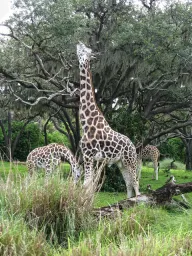
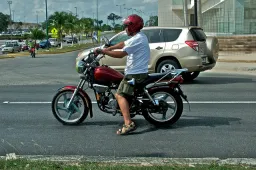
COCO(上下文中的常见物体)数据集是一个大规模目标检测、分割和图像描述数据集。该数据集旨在推动对多种物体类别的研究,常用于对计算机视觉模型进行基准测试。它是从事目标检测、分割和姿态估计任务的研究人员与开发者的重要数据集。
观看: Ultralytics COCO 数据集概览
COCO 预训练模型#
| 模型 | 尺寸 (像素) | mAP验证集 50-95 | mAP验证 50-95(端到端) | 速度 CPU ONNX (毫秒) | 速度 T4 TensorRT10 (ms) | 参数 (M) | FLOPs (B) |
|---|---|---|---|---|---|---|---|
| YOLO26n | 640 | 40.9 | 40.1 | 38.9 ± 0.7 | 1.7 ± 0.0 | 2.4 | 5.5 |
| YOLO26s | 640 | 48.6 | 47.8 | 87.2 ± 0.9 | 2.5 ± 0.0 | 9.5 | 20.9 |
| YOLO26m | 640 | 53.1 | 52.5 | 220.0 ± 1.4 | 4.7 ± 0.1 | 20.4 | 68.4 |
| YOLO26l | 640 | 55.0 | 54.4 | 286.2 ± 2.0 | 6.2 ± 0.2 | 24.8 | 86.8 |
| YOLO26x | 640 | 57.5 | 56.9 | 525.8 ± 4.0 | 11.8 ± 0.2 | 55.7 | 194.4 |
主要功能#
- COCO 包含 330K 张图像,其中 200K 张带有目标检测、分割和图像描述任务的标注。
- 该数据集包含 80 个物体类别,既包括汽车、自行车和动物等常见物体,也包括雨伞、手提包和运动器材等更具体的类别。
- 标注包括每张图像中的物体边界框、分割掩码和图像描述。
- COCO 为目标检测和分割提供标准化评估指标,例如平均精度均值 (mAP) 和平均召回率 (AR),因此适合用于比较模型性能。
数据集结构#
COCO 数据集分为三个子集:
- Train2017:118,287 张图像,用于训练目标检测、分割和图像描述模型。
- Val2017:5,000 张图像,用于模型训练期间的验证。
- Test2017:20,288 张 test-dev 图像,用于对训练好的模型进行基准测试。此子集的真实标注不会公开,评估结果需提交至 COCO 评估服务器进行性能评估。
应用场景#
COCO 数据集广泛用于训练和评估深度学习模型,这些模型用于目标检测(例如 Ultralytics YOLO、Faster R-CNN和 SSD)、实例分割(例如 Mask R-CNN)以及关键点检测(例如 OpenPose)。该数据集丰富多样的目标类别、大量经过标注的图像以及标准化的评估指标,使其成为计算机视觉研究人员和从业者不可或缺的资源。
从标注工具导出的 COCO JSON 标注遵循相同的结构。如需使用自己的 COCO 格式数据进行训练,请参阅将 COCO 标注转换为 YOLO。
数据集 YAML#
使用 YAML 文件定义数据集配置,其中包含数据集路径、类别和其他相关信息。COCO 数据集的 coco.yaml 文件由 https://github.com/ultralytics/ultralytics/blob/main/ultralytics/cfg/datasets/coco.yaml 维护。
# Ultralytics 🚀 AGPL-3.0 License - https://ultralytics.com/license

# COCO 2017 dataset https://cocodataset.org by Microsoft
# Documentation: https://docs.ultralytics.com/datasets/detect/coco
# Example usage: yolo train data=coco.yaml
# parent
# ├── ultralytics
# └── datasets
#     └── coco ← downloads here (20.3 GB)

# Train/val/test sets as 1) dir: path/to/imgs, 2) file: path/to/imgs.txt, or 3) list: [path/to/imgs1, path/to/imgs2, ..]
path: coco # dataset root dir
train: train2017.txt # train images (relative to 'path') 118287 images
val: val2017.txt # val images (relative to 'path') 5000 images
test: test-dev2017.txt # 20288 of 40670 images, submit via https://cocodataset.org/#detection-eval

# Classes
names:
  0: person
  1: bicycle
  2: car
  3: motorcycle
  4: airplane
  5: bus
  6: train
  7: truck
  8: boat
  9: traffic light
  10: fire hydrant
  11: stop sign
  12: parking meter
  13: bench
  14: bird
  15: cat
  16: dog
  17: horse
  18: sheep
  19: cow
  20: elephant
  21: bear
  22: zebra
  23: giraffe
  24: backpack
  25: umbrella
  26: handbag
  27: tie
  28: suitcase
  29: frisbee
  30: skis
  31: snowboard
  32: sports ball
  33: kite
  34: baseball bat
  35: baseball glove
  36: skateboard
  37: surfboard
  38: tennis racket
  39: bottle
  40: wine glass
  41: cup
  42: fork
  43: knife
  44: spoon
  45: bowl
  46: banana
  47: apple
  48: sandwich
  49: orange
  50: broccoli
  51: carrot
  52: hot dog
  53: pizza
  54: donut
  55: cake
  56: chair
  57: couch
  58: potted plant
  59: bed
  60: dining table
  61: toilet
  62: tv
  63: laptop
  64: mouse
  65: remote
  66: keyboard
  67: cell phone
  68: microwave
  69: oven
  70: toaster
  71: sink
  72: refrigerator
  73: book
  74: clock
  75: vase
  76: scissors
  77: teddy bear
  78: hair drier
  79: toothbrush

# Download script/URL (optional)
download: |
  from pathlib import Path

  from ultralytics.utils import ASSETS_URL
  from ultralytics.utils.downloads import download

  # Download labels
  segments = True  # segment or box labels
  dir = Path(yaml["path"])  # dataset root dir
  urls = [ASSETS_URL + ("/coco2017labels-segments.zip" if segments else "/coco2017labels.zip")]  # labels
  download(urls, dir=dir.parent)

  # Download data (test2017.zip excluded: ground truth is withheld, only used for the eval-server test-dev split)
  urls = [
      "http://images.cocodataset.org/zips/train2017.zip",  # 19G, 118k images
      "http://images.cocodataset.org/zips/val2017.zip",  # 1G, 5k images
  ]
download(urls, dir=dir / "images", threads=3)用法#
COCO2017 训练集和验证集(20.3 GB)会在你首次开始训练时自动下载。要在 COCO 上训练 YOLO26n 模型 100 个轮次,并将图像尺寸设为 640,可以使用以下代码片段。如需查看可用参数的完整列表,请参阅模型训练页面。你也可以通过 Ultralytics Platform在云端运行 COCO 训练。
from ultralytics import YOLO

# 加载模型
model = YOLO("yolo26n.pt")  # 加载预训练模型(推荐用于训练)

# 训练模型
results = model.train(data="coco.yaml", epochs=100, imgsz=640)示例图像和标注#
COCO 数据集包含各种目标类别和复杂场景的多样化图像。以下是数据集中的一些图像示例及其对应的标注:
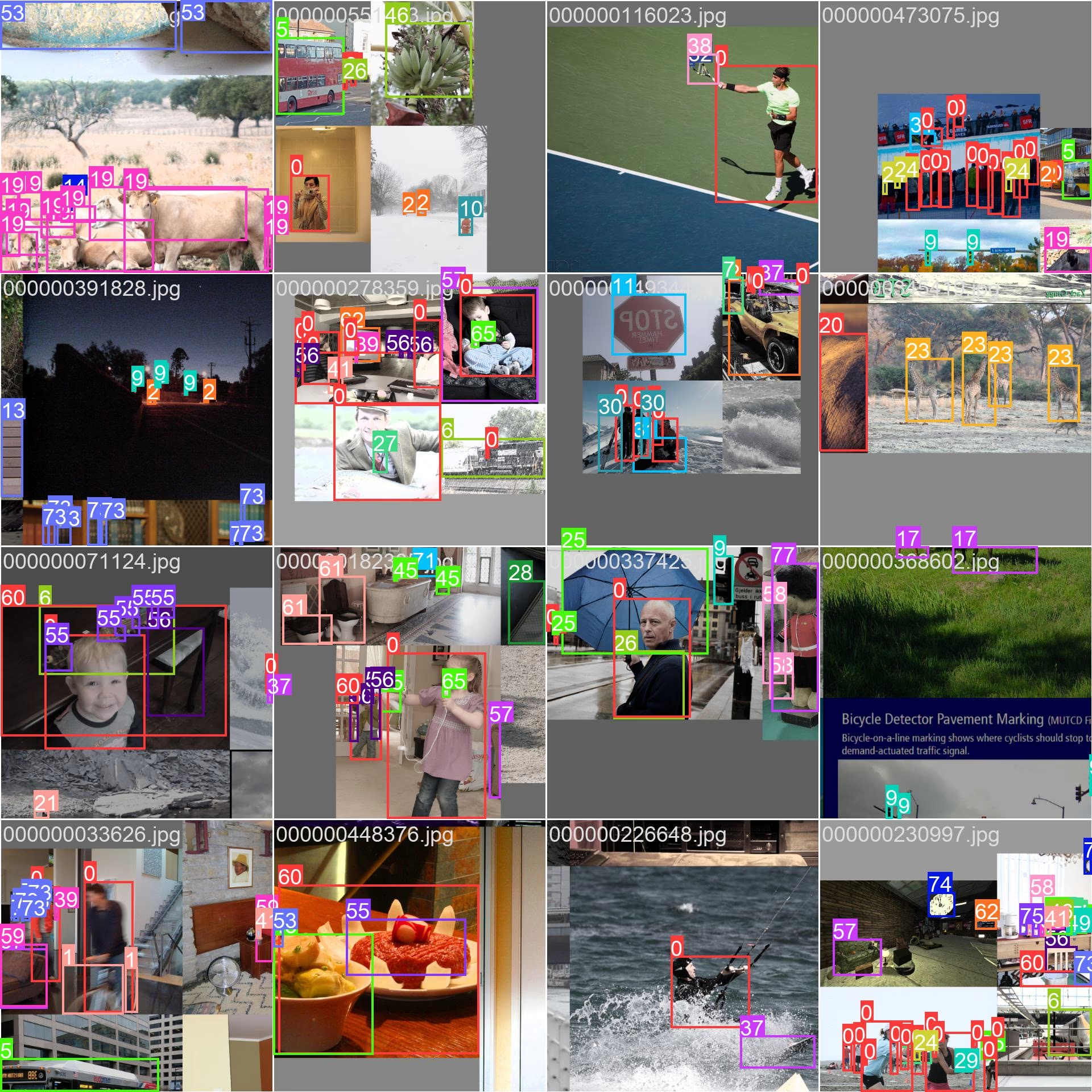
- 马赛克图像:此图像展示了由数据集马赛克图像组成的训练批次。马赛克是一种训练时使用的技术,它将多张图像合并为一张图像,从而增加每个训练批次中目标和场景的多样性。这有助于提升模型对不同目标尺寸、长宽比和上下文的泛化能力。
此示例展现了 COCO 数据集中图像的多样性和复杂性,也展示了在训练过程中使用马赛克的好处。
引用与致谢#
如果你在研究或开发工作中使用 COCO 数据集,请引用以下论文:
@misc{lin2015microsoft,
      title={Microsoft COCO: Common Objects in Context},
      author={Tsung-Yi Lin and Michael Maire and Serge Belongie and Lubomir Bourdev and Ross Girshick and James Hays and Pietro Perona and Deva Ramanan and C. Lawrence Zitnick and Piotr Dollár},
      year={2015},
      eprint={1405.0312},
      archivePrefix={arXiv},
      primaryClass={cs.CV}
}
感谢 COCO Consortium 创建并维护这一对计算机视觉社区极有价值的资源。如需了解 COCO 数据集及其创建者的更多信息,请访问 COCO 数据集网站。
常见问题#
要使用 COCO 数据集训练 YOLO26 模型,可以使用以下代码片段:
训练示例from ultralytics import YOLO # 加载模型 model = YOLO("yolo26n.pt") # 加载预训练模型(推荐用于训练) # 训练模型 results = model.train(data="coco.yaml", epochs=100, imgsz=640)有关可用参数的更多详细信息,请参阅训练页面。
COCO 数据集包含:
- 330K 张图像,其中 200K 张带有目标检测、分割和图像描述标注。
- 80 个目标类别,涵盖汽车和动物等常见物品,以及手提包和运动器材等特定物品。
- 用于目标检测和分割的标准化评估指标(mAP 和平均召回率)。
- 训练批次中使用马赛克技术,以增强模型对各种目标尺寸和上下文的泛化能力。
COCO 数据集分为三个子集:
- Train2017:118,287 张用于训练的图像。
- Val2017:5,000 张用于训练期间验证的图像。
- Test2017:20,288 张 test-dev 图像,用于对训练好的模型进行基准测试。评估结果需提交至 COCO 评估服务器进行性能评估。
数据集的 YAML 配置文件可在 coco.yaml 找到,其中定义了路径、类别和数据集详情。